Acne Treatment: Safe Skin Care Tips, Common Myths and When to See a Doctor
Acne treatment works best with gentle daily skin care and patience. Learn what acne looks like, what the evidence says about food, medical options and when to see a doctor.
Medically reviewed by Dr. Shakilur Rahman, MBBS, FCPS (Part 1), MD (Phase B) · Reviewed on 25 November 2026
Acne treatment works well when you combine gentle daily skin care with patience. Acne forms when pores become blocked with oil and dead skin cells, sometimes with inflammation or bacteria. It is very common in teenagers and also affects many adults.
Most mild acne improves with a steady routine, while moderate or scarring acne should be seen by a doctor early. This guide explains the signs, safe care and when to get help.
What does acne look like?
- Blackheads and whiteheads.
- Red, tender bumps (papules) and pus-filled spots (pustules).
- Deep, painful lumps (nodules or cysts) in more severe cases.
- Marks and scars that can remain after spots heal.
Acne usually appears on the face, chest and back.
What does acne treatment involve?
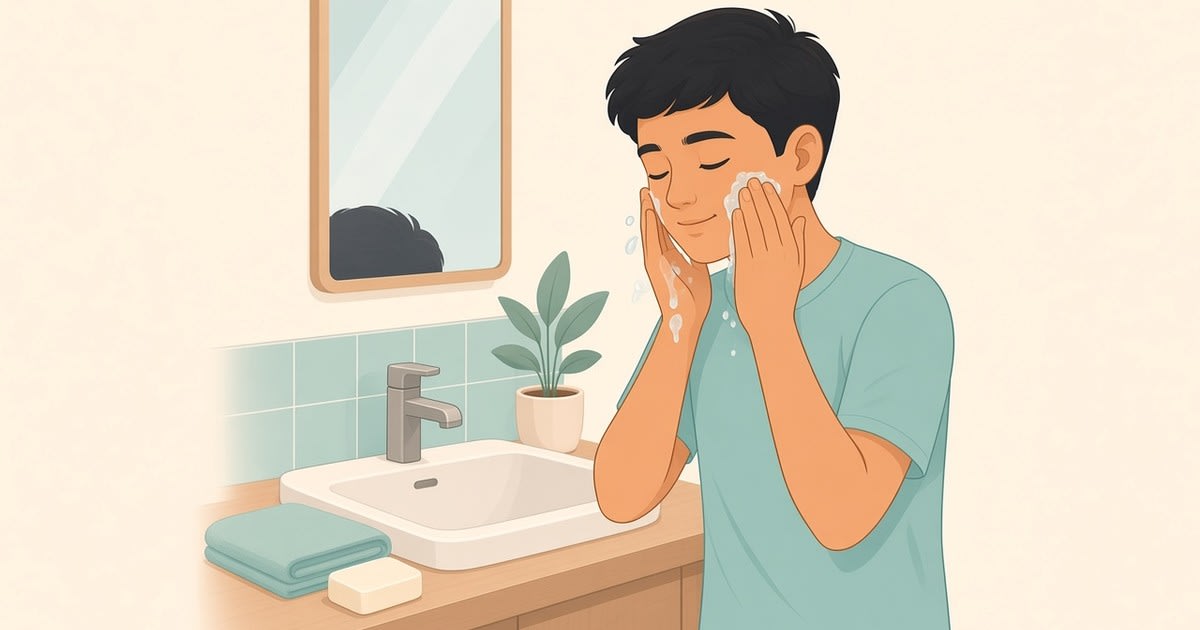
- Wash your face gently twice a day with lukewarm water and a mild cleanser; avoid scrubbing.
- Do not squeeze or pick spots, which can cause scars and infection.
- Use non-comedogenic (non-pore-blocking) moisturiser and sunscreen.
- Aim to get enough sleep for your age each night.
- Be patient; most treatments take weeks to show results.
- Do not mix many products at once, or use harsh homemade pastes such as toothpaste or lemon juice.
- Avoid using someone else's medicated products.
What does the evidence say about food and acne?
Research does not show that chocolate or oily food directly cause acne for everyone. Some studies link high-sugar diets and, for some people, a lot of milk to worse acne, but the evidence is mixed. A balanced diet is good for overall health; if you suspect a trigger, discuss it with your doctor instead of cutting out many foods.
What treatment can a doctor offer?
Depending on severity, a doctor may advise creams or gels, short courses of other medicines, or specialist treatment for severe or scarring acne. Some medicines are not safe in pregnancy, so tell the doctor if you are pregnant or planning pregnancy. Do not start strong prescription-only medicines without advice.
When should you see a doctor?
See a doctor if acne is painful or deep, leaves scars, does not improve after 6–8 weeks of regular care, or affects your confidence or mood. In women, acne with irregular periods and excess hair growth may point to PCOS.
Which situations need urgent help?
- Sudden severe cystic acne with fever or joint pain.
- Spreading redness, swelling and pain suggesting infection.
- Feeling very low or hopeless because of your skin.
What should you prepare for an online consultation?
Take clear photos in daylight (see how to photograph skin problems), list the products and medicines you have used, note your periods if relevant, and mention allergies and any pregnancy plans.
Common myths about acne
- "Acne is caused by dirty skin." Over-washing can irritate it.
- "Popping spots makes them go away faster." It often causes scarring.
- "Acne is only a teenage problem." Adults can have it too.
What questions should you ask your doctor?
- What type and severity of acne do I have?
- Which routine and products suit my skin?
- How long before I should see improvement?
- Will I need longer-term treatment or help with scars?
How do sun, cosmetics and daily habits matter?
Some acne medicines make the skin more sun-sensitive, so use sunscreen in the daytime. Hair oils and pomades that touch the forehead can worsen spots. Use a clean, sharp razor, avoid pulling the skin, and introduce one new product at a time for a few weeks so you can tell which one helps or irritates.
Key points
- Gentle, consistent care beats harsh scrubbing or home pastes.
- Never pick spots; seek help early for deep or scarring acne.
- Tell the doctor about pregnancy before starting any treatment.
Frequently asked questions
Can acne be cured completely?
Acne can usually be controlled and often clears with time and treatment, but it may return, so ongoing care helps.
Which soap is best for acne?
No single soap suits everyone. A mild, fragrance-free cleanser used twice daily is generally sufficient.
What happens if I pick at acne?
Picking can push bacteria deeper, cause infection, dark marks and permanent scars.
How long does acne treatment take?
Most treatments need six to eight weeks or longer to show benefit, so do not switch products too quickly.
Medical disclaimer
This article is for general educational information only. It is not a personal diagnosis, treatment plan or medication advice. Talk to a registered doctor before making decisions about your or your family's health. ShifaMate is not an emergency medical service. Medical review pending.
Online consultation on ShifaMate
If you have a non-urgent symptom or question, you can browse ShifaMate's doctor directory and choose a suitable doctor to request an online consultation. To book through the app, see the ShifaMate app on Google Play. Check the fee and schedule on the doctor's profile before you book. You can also view general physicians. In an emergency, do not wait online: call 999 or go to the nearest hospital.
References
Sources
Last updated: 25 November 2026
This article is general health information, not medical advice for any individual. For your own situation, consult a registered doctor. In an emergency, go to the nearest hospital without delay.