Allergy Relief: How to Identify Triggers, Manage Symptoms and When to See a Doctor
Allergy relief begins with finding and reducing your triggers. Learn about common symptoms, safe home measures, when tests help and which signs are an emergency.
Medically reviewed by Dr. Shakilur Rahman, MBBS, FCPS (Part 1), MD (Phase B) · Reviewed on 28 November 2026
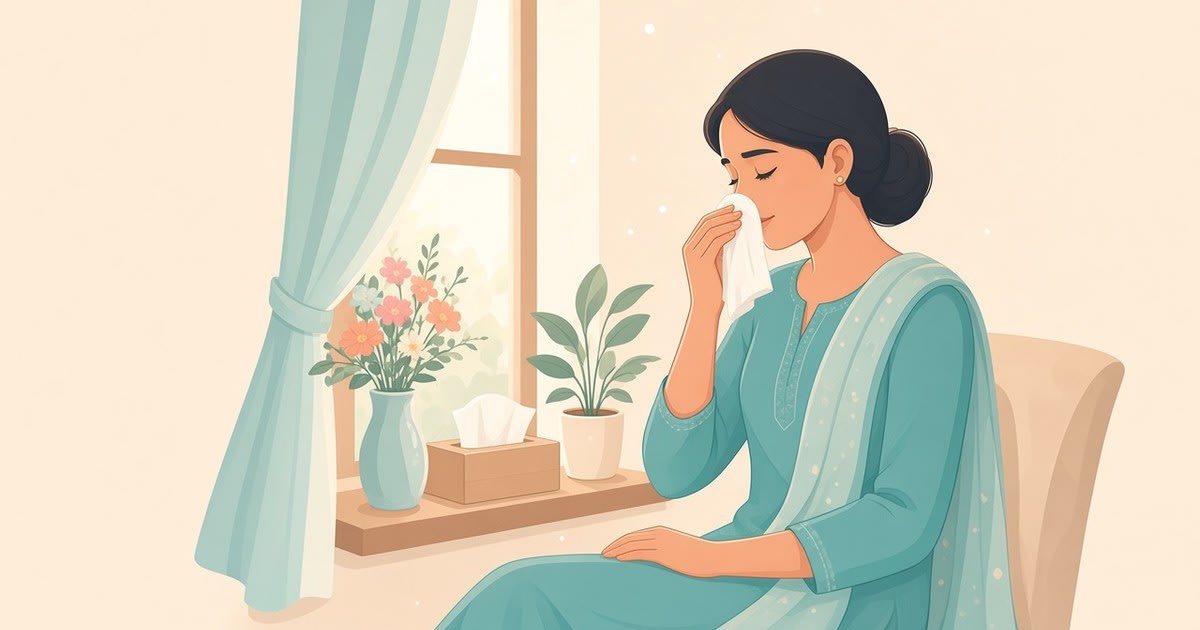
Allergy relief starts with two steps: find out what triggers your symptoms and reduce your exposure. An allergy happens when the immune system overreacts to something harmless, such as dust, pollen, mould, pets or certain foods.
Symptoms range from a runny nose to hives, and in rare cases a life-threatening reaction. This guide explains the signs, practical steps and when to see a doctor.
What symptoms do allergies cause?
- Sneezing, runny or blocked nose and itchy, watery eyes.
- Itchy skin, hives or swelling.
- Cough or wheeze.
- Stomach upset after certain foods.
Symptoms that come with a fever or last only a few days may be a cold; see cold versus flu.
What are ways to get allergy relief?
- Identify and avoid triggers where you can. If needed, an allergy panel test advised by your doctor can show which foods or substances you are allergic to, so you can avoid exposure to them.
- Rinse the nose with saline and keep windows closed on dusty or high-pollen days.
- Wash bedding weekly in hot water and dry it in the sun.
- Use a mask when cleaning or when outdoor air is polluted; see air pollution and health in Dhaka.
- Ask a doctor or pharmacist before using antihistamines or nasal sprays, especially for children, in pregnancy or if you have other conditions.
When are allergy tests needed?
Tests are not needed for every allergy. A doctor may suggest skin-prick or blood tests if symptoms are severe, if you have had a serious reaction, or if the trigger is unclear.
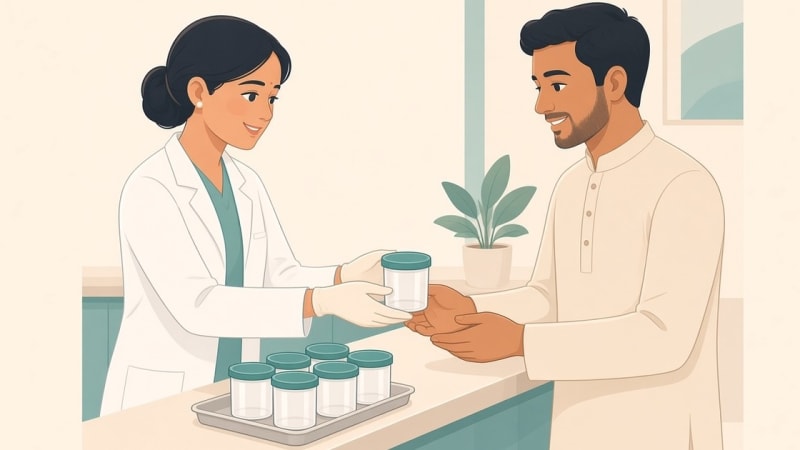
Allergy panel test: This test checks for allergy to many foods (such as shrimp, egg, milk and nuts) and environmental substances (such as dust mites, pollen, mould and pet dander) at the same time. It can show which foods or substances you are allergic to, so you can avoid exposure to them and reduce your symptoms.
However, a positive result on a panel test does not always mean a true allergy. Tests are interpreted together with your history and symptoms, not alone, so go through the results with your doctor and do not cut out many foods based on the report alone.
When should you see a doctor?
See a doctor if symptoms last more than a couple of weeks, disturb sleep or work, come with wheezing, or if over-the-counter measures do not help. People with asthma should check their inhaler technique; see how to use an inhaler.
Which signs need emergency help?
Call 999 or go to hospital at once if there is:
- Difficulty breathing, wheezing or a tight throat.
- Swelling of the lips, tongue or face.
- Dizziness, fainting or a rapid weak pulse after a bite, food or medicine.
What should you tell an online doctor?
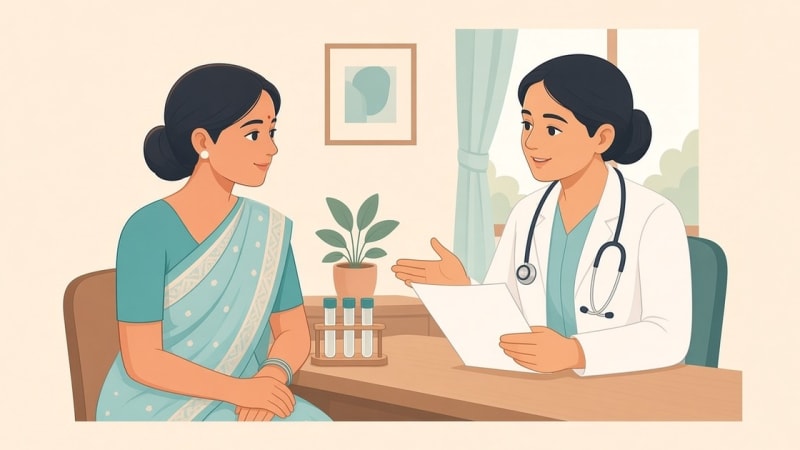
Describe the symptoms, when they occur (season, place, time of day), foods, medicines and products you used, and any history of asthma, eczema or family allergies. Share the report of any allergy panel test or other allergy test you have already had.
Common myths about allergies
- "Allergies can always be cured for good." Many can be controlled, but not always cured.
- "A little exposure will build immunity." For a true allergy this can be dangerous.
- "Home remedies replace medical advice." They may help comfort but cannot treat a serious reaction.
What questions should you ask your doctor?
- What is the likely trigger?
- Do I need allergy testing, such as an allergy panel test?
- Do I need to avoid everything that comes back positive on the report?
- Which medicines are safe for me or my child?
- What should I do if I have a severe reaction?
What practical steps reduce dust and mould at home?
In the damp monsoon months mould and dust mites increase. Wash pillow covers and sheets weekly, wipe surfaces with a damp cloth instead of sweeping, reduce old carpets and heavy curtains, keep pets out of the bedroom and ventilate the kitchen.
Why keep an allergy diary?
For a few weeks, note when, where and after what symptoms start, along with season changes, dusting, or new soaps and cosmetics. This helps you spot triggers and helps the doctor avoid unnecessary tests. Your diary also helps the doctor interpret allergy panel test results correctly.
Key points
- Reduce triggers first; medicines are the next step.
- An allergy panel test can show which foods or substances you are allergic to, so you can avoid exposure; review the results with your doctor.
- Breathing difficulty or face swelling is an emergency.
- A symptom diary makes diagnosis easier.
Frequently asked questions
Can an allergy disappear forever?
Some childhood allergies fade, but many persist. Treatment aims to control symptoms and prevent serious reactions.
What is an allergy panel test and why is it done?
An allergy panel test checks for allergy to a range of foods and environmental substances at once. It shows which foods or substances you are allergic to, making it easier to avoid exposure. Have the test on your doctor's advice and decide what to avoid together with them.
Can I take antihistamines every day?
Some people do under medical advice. Ask your doctor or pharmacist what is suitable for you.
How can I tell if I have a food allergy?
Reactions soon after eating a food, such as hives, swelling or vomiting, suggest it. Do not test it again at home; ask a doctor.
Which doctor should I see?
A general physician first; you may be referred to an allergy, ENT or chest specialist.
Medical disclaimer
This article is for general educational information only. It is not a personal diagnosis, treatment plan or medication advice. Talk to a registered doctor before making decisions about your or your family's health. ShifaMate is not an emergency medical service.
Online consultation on ShifaMate
If you have a non-urgent symptom or question, you can browse ShifaMate's doctor directory and choose a suitable doctor to request an online consultation. To book through the app, see the ShifaMate app on Google Play. Check the fee and schedule on the doctor's profile before you book. You can also view general physicians. In an emergency, do not wait online: call 999 or go to the nearest hospital.
References
Sources
Last updated: 28 November 2026
This article is general health information, not medical advice for any individual. For your own situation, consult a registered doctor. In an emergency, go to the nearest hospital without delay.