Anal Fissure: Symptoms, Causes, Home Care and When to See a Specialist
An anal fissure causes sharp pain and a little bright red blood during or after passing stool. Learn how it differs from piles, home care and when to see a doctor.
An anal fissure is a small tear in the lining of the anus. It typically causes sharp, cutting or burning pain when you pass stool, sometimes with a little bright red blood on the paper. The pain can last for minutes or hours afterwards.
Most fissures heal with softer stools and simple home care, but a fissure that lasts more than a few weeks needs medical attention. Here is what to know.
What are the symptoms of an anal fissure?
According to the NHS:
- Sharp pain during and after a bowel movement.
- A small amount of bright red blood on toilet paper or the stool.
- Itching or irritation around the anus.
- A visible tear or small lump (skin tag) near the anus in some cases.
How is a fissure different from piles?
Piles usually cause painless bleeding or a lump, while a fissure causes marked pain with passing stool. They can occur together, so a doctor's exam is the best way to tell. See also which specialist to see.
What causes anal fissures?
- Hard stools and constipation or straining.
- Prolonged diarrhoea, which can irritate the area; see diarrhoea in children.
- Childbirth.
- Tight anal muscles or reduced blood flow in the area.
- Less commonly, other bowel conditions.
What home care helps?
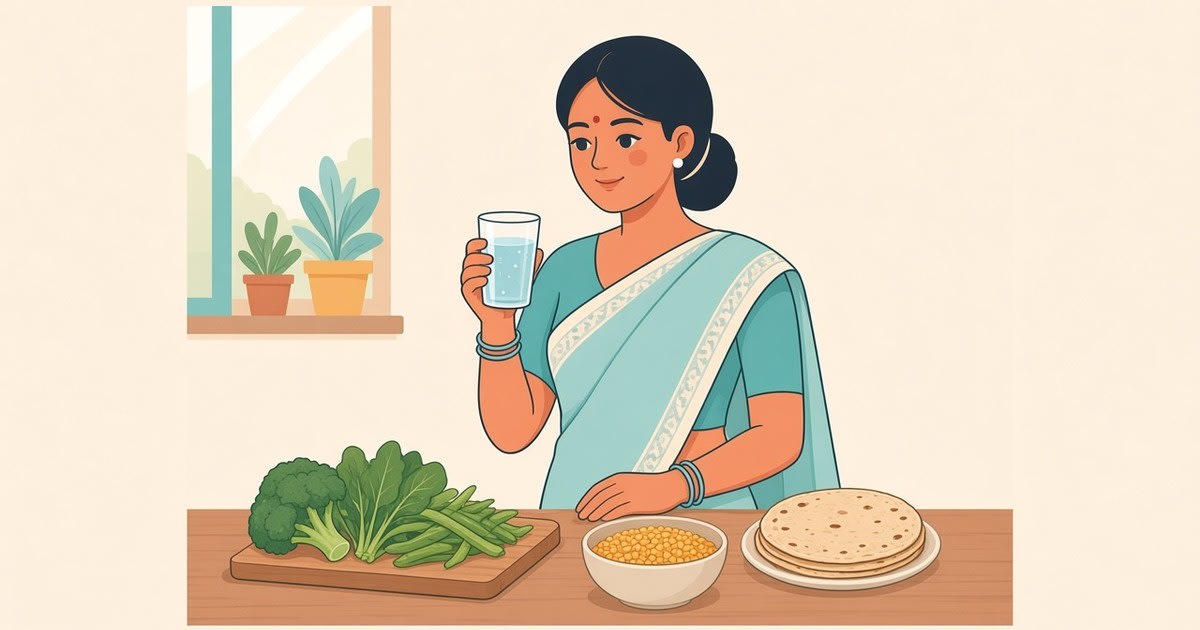
- Eat fibre-rich foods and drink enough water so stools stay soft.
- Do not strain or hold in stool.
- Sit in warm water for 10 to 15 minutes after a bowel movement to relax the muscle.
- Gently pat the area dry instead of rubbing.
- Use creams or ointments only if a doctor or pharmacist recommends them.
When should you see a doctor?
See a doctor if pain is severe, if the fissure does not improve in two to three weeks, if it keeps coming back, or if bleeding is more than a little. Persistent fissures may need medical treatment or a specialist's opinion.
Which signs need urgent help?
- Heavy bleeding, dizziness or fainting.
- Severe pain with fever, swelling or pus near the anus.
- Black stools or blood mixed with stool along with weight loss.
What should you tell an online doctor?
How long it has lasted, how painful it is, bowel habits, diet and fluids, any recent diarrhoea, medicines you take and your general health.
Common myths about fissures
- "It is always piles." Pain with stool often points to a fissure.
- "Surgery is the first step." Most heal with simple measures.
- "Avoiding the toilet helps." Holding stool makes it harder and worsens the tear.
What questions should you ask your doctor?
- Is this an acute or a chronic fissure?
- Which medicines are safe and how long should I use them?
- What diet should I follow?
- When would a procedure be considered?
What should you do after the fissure has healed?
Keep stools soft. Continue fibre and fluids every day, since constipation can bring the fissure back. If you often have constipation, ask your doctor to look for the cause, such as medicines or thyroid problems. For children, add fruit, vegetables and water, and do not let them hold back stool.
How can you cope with the pain?
Sitting in warm water after a bowel movement can ease pain. Pat dry gently and use water and a soft cloth instead of rough tissue. Holding stool out of fear makes it harder and worsens the tear, so do not delay when you feel the urge.
Key points
- Pain with passing stool plus a little bright red blood suggests a fissure.
- Soft stools, fluids, fibre and warm soaks are first-line care.
- See a doctor if it lasts more than a few weeks.
Frequently asked questions
How long does an anal fissure take to heal?
Many heal in a few weeks with good care. If it lasts more than 6–8 weeks it is called chronic and needs medical treatment.
What should I eat with a fissure?
Fibre-rich foods such as vegetables, fruit, pulses and whole grains, and plenty of water.
Can children get fissures?
Yes, usually from hard stools. See a paediatric doctor if it keeps happening.
Which doctor should I see?
A general physician first; a surgeon if it does not heal.
Medical disclaimer
This article is for general educational information only. It is not a personal diagnosis, treatment plan or medication advice. Talk to a registered doctor before making decisions about your or your family's health. ShifaMate is not an emergency medical service. Medical review pending.
Online consultation on ShifaMate
If you have a non-urgent symptom or question, you can browse ShifaMate's doctor directory and choose a suitable doctor to request an online consultation. To book through the app, see the ShifaMate app on Google Play. Check the fee and schedule on the doctor's profile before you book. You can also view general physicians. In an emergency, do not wait online: call 999 or go to the nearest hospital.
References
Sources
This article is general health information, not medical advice for any individual. For your own situation, consult a registered doctor. In an emergency, go to the nearest hospital without delay.