Normal Blood Pressure Range: What Your Blood Pressure Should Be and How to Measure It
The normal blood pressure range is below about 120/80 mmHg. Learn the categories for normal, high and low pressure, how to measure it correctly and when to see a doctor.
Medically reviewed by Dr. Atiqur Rahman Shuva, MBBS · Reviewed on 27 November 2026
The normal blood pressure range for most adults is around 90/60 to below 120/80 mmHg. High blood pressure is usually diagnosed when readings are repeatedly 140/90 or higher in the clinic, or 135/85 or higher at home. Because high pressure often has no symptoms, measuring it regularly matters.
Your doctor may set a different target for you depending on your age, diabetes, kidney disease or heart history. This guide explains the numbers, how to measure correctly and what to do.
What is the normal blood pressure range?
- Ideal: from 90/60 up to below 120/80.
- A little high (time to take care): 120/80 to 139/89. Healthy habits now can lower future risk.
- High blood pressure: repeatedly 140/90 or higher in the clinic; 135/85 or higher at home.
- Low blood pressure: below 90/60. If you have no symptoms, it is often not a problem; if you have symptoms, it needs checking.
The WHO notes that most people with high blood pressure do not know it because symptoms are rare, so regular checks are important.
What is the right way to measure blood pressure?
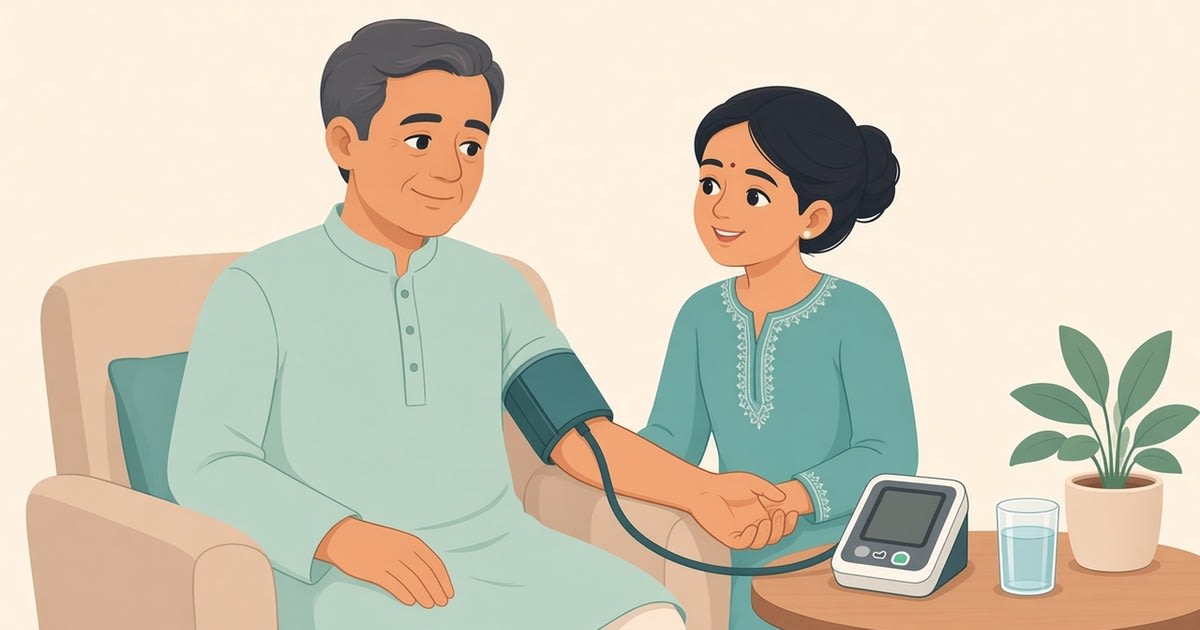
- Sit quietly for 5 minutes before measuring.
- Sit upright in a chair with your back supported, feet flat on the floor and legs uncrossed.
- Rest your arm on a table with the cuff at heart level.
- Avoid tea, coffee, smoking and exercise for at least 30 minutes beforehand, and empty your bladder.
- Use the right size of cuff and do not talk during the reading.
- Take two readings a minute apart and use the average. Measure morning and evening for several days and show the record to your doctor.
Is low blood pressure always bad?
No. Some people naturally have low blood pressure without problems. If you have dizziness, blurred vision, weakness or fainting, find the cause, which may be dehydration, anaemia, medicines or heart problems. Stand up slowly and drink enough fluids.
What can you do at home if blood pressure is high?
- Cut down on salt, pickles, dried fish and processed foods.
- Eat more vegetables, fruit and pulses, and lose extra weight.
- Be active: a brisk walk on most days.
- Avoid smoking and limit alcohol.
- Manage stress and sleep well.
- Take prescribed medicines regularly, and do not stop them without advice.
- Read more in high blood pressure symptoms and home monitoring and normal cholesterol range.
When should you see a doctor?
See a doctor if your readings are repeatedly above 140/90 (or 135/85 at home), if you have diabetes, kidney disease or heart disease, if you are pregnant, or if you have symptoms with low readings.
Which situations need urgent help?
Call 999 or go to hospital if you have:
- Very high pressure (for example 180/120 or higher) with chest pain, breathlessness, severe headache, vision changes, weakness or speech difficulty.
- Chest pain, fainting or sudden weakness on one side.
What should you tell the doctor?
Your readings and how you measured them, symptoms, medicines, salt and diet habits, smoking and alcohol, family history, and other conditions.
Common myths about blood pressure
- "No symptoms means normal pressure." High pressure is often silent.
- "A single high reading means hypertension." It needs repeated checks.
- "I can stop medicines when it is normal." Stopping can cause the pressure to rise again.
Is the ideal target the same for everyone?
The ideal values are general guides. Your doctor may set a different goal depending on age, diabetes, kidney disease and heart history. So ask your doctor for the final answer to what your blood pressure should be. Keep a diary of readings and bring it to every visit.
How can daily eating habits help?
Salt, pickles, dried fish, processed foods and adding salt at the table can raise blood pressure. Season with lemon, garlic or herbs instead. Eat more vegetables, fruit, pulses and fish, and cut back on fried food. Some foods are rich in potassium, but if you have kidney disease ask your doctor first. Regular walking and enough sleep help too.
Key points
- Below 120/80 is ideal; 140/90 or above repeatedly means high blood pressure.
- Measure correctly: rest, right posture, correct cuff, two readings.
- Very high pressure with chest pain or neurological symptoms is an emergency.
Frequently asked questions
Does normal blood pressure change with age?
Blood pressure tends to rise with age, but the same targets apply to most adults. Your doctor may set an individual goal.
Why do my home and clinic readings differ?
Stress at the clinic can raise readings ("white-coat effect"), while technique and equipment can differ at home. That is why home readings are useful.
What should I do if my pressure goes up?
Sit and rest, measure again after 5 minutes, and see a doctor if it stays high. Seek emergency help if there are severe symptoms.
Which doctor should I see?
A medicine specialist or a cardiologist; a general physician for a start.
Medical disclaimer
This article is for general educational information only. It is not a personal diagnosis, treatment plan or medication advice. Talk to a registered doctor before making decisions about your or your family's health. ShifaMate is not an emergency medical service. Medical review pending.
Online consultation on ShifaMate
If you have a non-urgent symptom or question, you can browse ShifaMate's doctor directory and choose a suitable doctor to request an online consultation. To book through the app, see the ShifaMate app on Google Play. Check the fee and schedule on the doctor's profile before you book. You can also view internal medicine specialists. In an emergency, do not wait online: call 999 or go to the nearest hospital.
References
Sources
Last updated: 28 November 2026
This article is general health information, not medical advice for any individual. For your own situation, consult a registered doctor. In an emergency, go to the nearest hospital without delay.