Child Loss of Appetite: Causes, Home Tips and When to See a Pediatrician
Child loss of appetite is common and usually temporary. Learn the causes, practical ways to help at home, how to check growth and when to see a pediatrician.
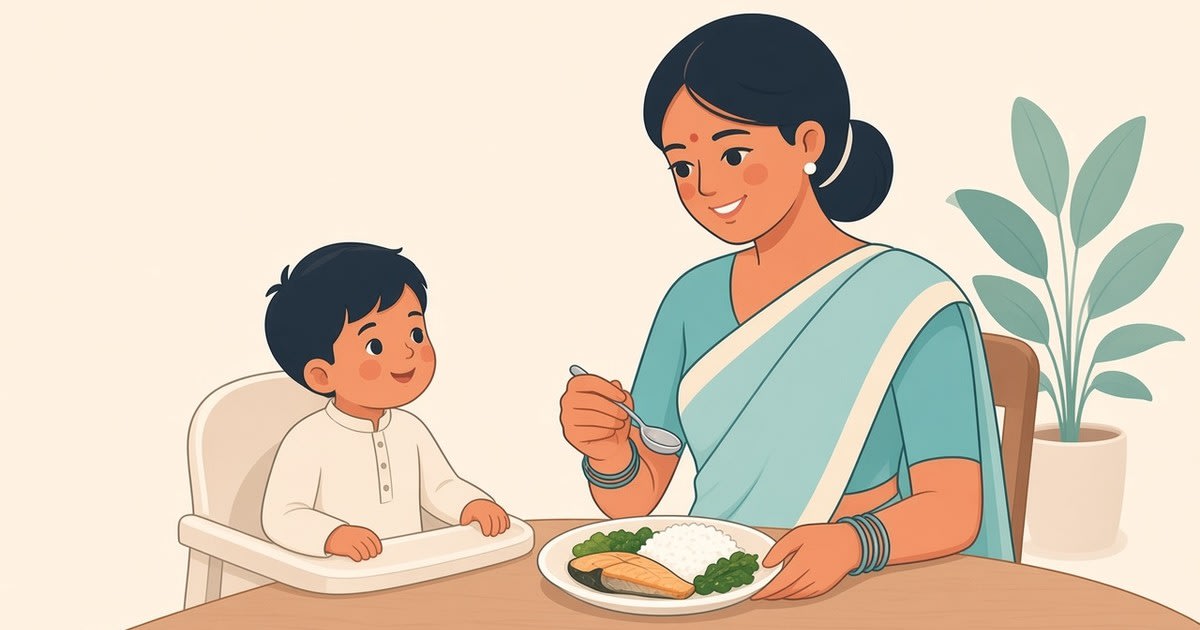
Child loss of appetite is very common, especially between ages one and five, and in most cases it is temporary and harmless. Children grow more slowly after infancy, so they need less food, and many go through fussy phases. A short drop in appetite during a cold or fever is also normal.
What matters most is whether your child is growing, active and drinking well. This guide explains causes, what to do and when to see a pediatrician.
What causes child loss of appetite?
- Illness such as a cold, fever, sore throat or tummy bug.
- Teething or mouth ulcers.
- Constipation.
- Too many snacks, milk or juice between meals.
- Normal fussiness and a wish for independence at the table.
- Iron deficiency or other nutritional problems; see iron deficiency anaemia symptoms.
- Stress, changes in routine or, less often, a longer-term medical or emotional problem.
What can you do at home?
- Offer regular meals and snacks at set times, and limit sweets, juice and milk between meals.
- Serve small portions and let your child ask for more.
- Eat together as a family, without screens or pressure.
- Offer new foods many times without forcing; it can take 10 or more tries.
- Include a variety of foods: rice, pulses, eggs, fish, vegetables and fruit.
- Do not bribe, punish or use sweets as a reward.
How can you tell if your child's growth is on track?
Weigh and measure your child as your doctor advises and plot the results on the child health card. A child who is gaining weight, active, alert and having normal stools is usually getting enough, even if they seem to eat little. Keep the child health card handy when you visit a doctor.
When should you see a doctor?
See a doctor if your child is losing weight or not gaining, seems very tired or pale, has a poor appetite for more than a couple of weeks, has ongoing diarrhoea or vomiting (see diarrhoea in children), or if you are worried.
Which signs need urgent help?
- Signs of dehydration: no urine for 8 hours or more, very dry mouth, sunken eyes, no tears.
- Refusing all fluids, repeated vomiting or very drowsy and hard to wake.
- Fast or difficult breathing.
- High fever with a stiff neck, rash or convulsions.
What should you tell the doctor?
When the appetite changed, what your child eats and drinks in a day, weight and growth history, stools, any vomiting or fever, medicines and supplements, and any changes at home or school.
Common myths about children's eating
- "My child must finish the plate." Forcing can make mealtimes a battle.
- "Vitamin syrups will fix the appetite." Not unless a deficiency is confirmed.
- "Fussy eaters will suffer." Most grow normally with patient, repeated exposure.
What is a simple weekly plan for the family?
Plan three meals and two snacks a day. Add a new food alongside one the child already likes. Cook together at the weekend, keep fruit and vegetables easy to reach, and keep sweet snacks for special days. Keep mealtimes calm, around 20 to 30 minutes.
What small tricks improve nutrition?
Make what your child does eat more nourishing: add vegetables and an egg or fish to khichuri or dal. Homemade snacks such as banana and egg or vegetable paratha beat packaged snacks. Water is part of nutrition, but do not fill the stomach with fluids before meals. Keep oil and salt moderate in children's food.
Key points
- A temporary dip in appetite is normal; growth and activity are what count.
- Regular meals, limited snacks and no pressure work best.
- See a doctor for weight loss, dehydration or ongoing refusal to eat.
Frequently asked questions
How much should a child eat in a day?
It varies with age and activity. Offer regular meals and snacks and let the child decide how much to eat; your pediatrician can give guidance for your child's age.
Are vitamin syrups useful?
Only if a doctor has found a deficiency or advises them. They do not replace a varied diet.
My child only eats rice and biscuits. What should I do?
Keep offering a variety of foods in small amounts without pressure, limit biscuits, and see a pediatrician if growth is affected.
Which doctor should I see?
A pediatrician.
Medical disclaimer
This article is for general educational information only. It is not a personal diagnosis, treatment plan or medication advice. Talk to a registered doctor before making decisions about your or your family's health. ShifaMate is not an emergency medical service. Medical review pending.
Online consultation on ShifaMate
If you have a non-urgent symptom or question, you can browse ShifaMate's doctor directory and choose a suitable doctor to request an online consultation. To book through the app, see the ShifaMate app on Google Play. Check the fee and schedule on the doctor's profile before you book. You can also view pediatricians. In an emergency, do not wait online: call 999 or go to the nearest hospital.
References
Sources
This article is general health information, not medical advice for any individual. For your own situation, consult a registered doctor. In an emergency, go to the nearest hospital without delay.


