Depression Recovery: Signs to Recognise, Ways to Get Better and Where to Find Help
Depression recovery is possible with the right support. Learn the signs, self-care steps, treatments that work, how to support a loved one and when to seek help.
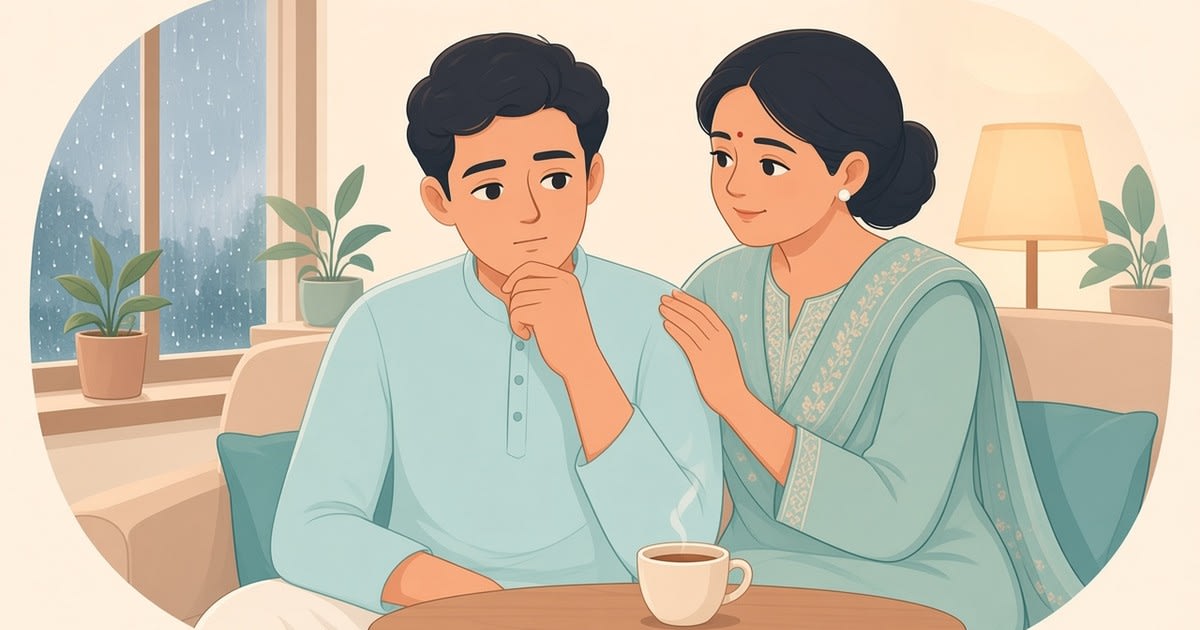
Depression recovery is possible, and most people improve with the right support and treatment. Depression is more than feeling sad for a day or two. It is a medical condition that lasts weeks, affects mood, energy, sleep and daily life, and it is not a sign of weakness.
If you are struggling, reaching out to a doctor or someone you trust is a strong first step. This guide explains signs, ways to recover and where to get help.
What are the signs of depression?
According to the WHO and NHS, signs that last most of the day, nearly every day, for two weeks or more include:
- Persistent sadness, emptiness or irritability.
- Loss of interest in things you used to enjoy.
- Tiredness, changes in sleep or appetite.
- Difficulty concentrating, feelings of guilt or worthlessness.
- Aches and pains with no clear cause.
- Thoughts that life is not worth living.
What helps depression recovery?
- Talk to someone you trust and to a doctor; do not carry it alone.
- Keep a simple routine: regular sleep, meals and some daylight each day.
- Move your body gently, such as a short daily walk.
- Break tasks into small steps and celebrate small wins.
- Avoid alcohol and drugs, which worsen mood.
- Keep in touch with family and friends, even when you do not feel like it.
- See how to sleep better and anxiety symptoms and getting help, as these often go together.
Which treatments can work?
Talking therapies (such as CBT and problem-solving therapy), medicines prescribed by a doctor, or both can help, depending on severity. Antidepressants must be started and stopped only under medical supervision. Exercise and faith or community support can help but are often not enough alone for moderate to severe depression.
What can you do if a loved one has depression?
Listen without judging, avoid saying "just be positive", encourage them to see a doctor and offer to go along. Help with daily tasks, remind them of appointments and keep checking in.
When should you see a doctor?
See a doctor if low mood lasts two weeks or more, affects work, study or relationships, or if you have physical symptoms with no clear cause.
Which situations need emergency help?
- Thoughts of suicide or self-harm, or a plan to do so.
- Hearing voices or seeing things that are not there.
- Being unable to care for yourself or others.
If you or someone else is in immediate danger, call 999 or go to the nearest hospital, and do not leave the person alone.
What should you tell the doctor?
How long you have felt this way, sleep, appetite, energy, thoughts of self-harm, alcohol or drug use, medicines, losses or stress, and family history of mental illness.
Common myths about depression
- "It is just weak faith or willpower." It is a health condition.
- "Medicines are addictive and make you numb." Antidepressants are not addictive in the usual sense, but should be taken under supervision.
- "Talking about it makes it worse." Talking usually helps.
What questions should you ask your doctor?
- Is this depression, and how severe is it?
- What treatment options suit me?
- How long before I feel better?
- What should I do if I feel worse?
What should you remember on the road to recovery?
Progress is rarely a straight line. A good day followed by a bad day is not failure. Treatment may take several weeks to work, so be patient and attend follow-up visits. Do not stop medicines without advice, even if you feel better. A short daily note of your mood helps your doctor see progress.
How can family members stay beside someone?
Listen without judging and avoid saying "be strong". Encourage them to see a doctor and go with them if needed. Remind them about medicines and follow-up dates. If you hear talk of suicide, take it seriously, do not leave them alone and get emergency help.
Key points
- Depression is common, treatable and not a weakness.
- Reach out early to a doctor and to people you trust.
- Thoughts of suicide need immediate help: call 999 or go to hospital.
Frequently asked questions
Can depression be cured completely?
Many people recover fully, though it can return, so keeping up with care and self-help matters.
What is the difference between depression and ordinary sadness?
Sadness passes and usually has a clear cause. Depression lasts for weeks, affects daily life and often has no clear reason.
Are exercise and prayer enough?
They can be valuable parts of recovery, but moderate or severe depression usually needs professional treatment as well.
Which doctor should I see?
Start with a general physician; a psychiatrist or psychologist can provide specialist help.
Medical disclaimer
This article is for general educational information only. It is not a personal diagnosis, treatment plan or medication advice. Talk to a registered doctor before making decisions about your or your family's health. ShifaMate is not an emergency medical service. Medical review pending.
Online consultation on ShifaMate
If you have a non-urgent symptom or question, you can browse ShifaMate's doctor directory and choose a suitable doctor to request an online consultation. To book through the app, see the ShifaMate app on Google Play. Check the fee and schedule on the doctor's profile before you book. You can also view general physicians. In an emergency, do not wait online: call 999 or go to the nearest hospital.
References
Sources
This article is general health information, not medical advice for any individual. For your own situation, consult a registered doctor. In an emergency, go to the nearest hospital without delay.