Eczema Treatment: Skin Care, Avoiding Triggers and When to See a Doctor
Eczema treatment starts with daily moisturising and avoiding triggers. Learn how to start care at home, common triggers, medicines a doctor may use and when to get help.
Medically reviewed by Dr. Shakilur Rahman, MBBS, FCPS (Part 1), MD (Phase B) · Reviewed on 28 November 2026
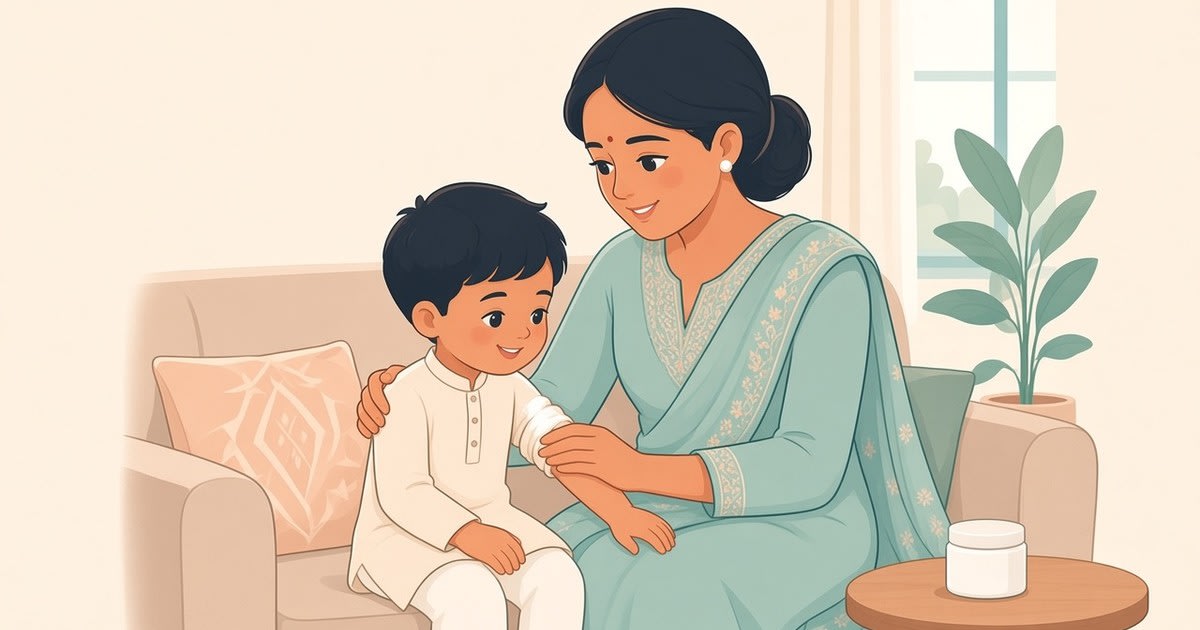
Eczema treatment begins with the basics: moisturise skin every day, avoid known triggers and use medicines only as a doctor advises. Eczema (atopic dermatitis) makes skin dry, red or dark, and very itchy, and it often comes and goes.
With the right routine, most people can keep it under control. This guide covers how to recognise eczema, start care at home and know when to see a doctor.
How do you recognise eczema?
According to the NHS, eczema typically causes:
- Dry, itchy, red or darker patches of skin.
- Patches in the folds of elbows and knees, on the face, neck and hands.
- Cracked, sore or weeping skin when scratched.
- In babies, patches on the cheeks and scalp.
How do you start eczema treatment at home?
- Moisturise at least once or twice a day with a fragrance-free emollient, ideally right after a short lukewarm bath.
- Use mild, soap-free cleansers; avoid scrubbing.
- Keep nails short and try not to scratch.
- Wear soft cotton clothes and avoid rough wool.
- Do not use homemade remedies, oils or pastes on broken skin.
What are common eczema triggers?
- Harsh soaps, detergents and perfumed products.
- Dry weather, sweat and heat.
- Dust mites, pets and pollen.
- Stress and poor sleep.
- Skin infection.
Some people also notice food triggers, especially children; discuss this with a doctor before cutting out foods.
What medicines can a doctor prescribe?
Depending on severity, doctors may advise mild steroid creams for flare-ups, non-steroid creams, antihistamines for sleep disturbance, or treatment for infection. Use steroid creams only as instructed, in the right strength and for the right time.
When should you see a doctor?
See a doctor if the rash is widespread, keeps coming back, disturbs sleep, looks infected or does not improve with moisturiser. Babies with eczema should be checked by a doctor.
Which signs need urgent help?
- Skin that is weeping yellow fluid, crusted or very painful, especially with fever.
- Small clustered blisters that spread fast.
- A baby who is unwell with a widespread rash.
What should you prepare for an online consultation?
Take clear photos in good light (see how to photograph skin problems), list the products you use, note triggers, and mention family history of allergies or asthma. Eczema can be mistaken for scabies, so tell the doctor if others at home are itching.
Common myths about eczema
- "Eczema is infectious." It is not.
- "Steroid creams are always dangerous." Used correctly under advice, they are safe and effective.
- "It is caused by dirty skin." No; over-washing can make it worse.
What questions should you ask your doctor?
- Which moisturiser and cleanser are best for me?
- How strong a steroid cream, for how long?
- How can I tell if the skin is infected?
- Should we test for allergies?
How should skin care change in winter and summer?
In Bangladesh's dry winter, moisturise more often and avoid very hot baths. In the hot, humid summer, wear light cotton, do not let sweat sit on the skin, rinse with lukewarm water after sweating and moisturise afterwards. Chlorinated pool water can dry the skin, so shower and moisturise after swimming.
Key points
- Daily moisturising is the foundation of eczema treatment.
- Know your triggers and avoid harsh products.
- See a doctor for infection, widespread rash or poor sleep.
Frequently asked questions
Do I need eczema cream for life?
Not always. Moisturiser is long-term, but medicated creams are used in short courses for flare-ups as advised.
What should I watch for in a child with eczema?
Keep baths short, moisturise often, keep nails trimmed and see a paediatric doctor if skin looks infected or sleep is badly affected.
Does eczema come from food?
Food is a trigger only for some, mostly children. Do not remove foods without advice.
Are home remedies safe?
Not on inflamed or broken skin. They can irritate the skin or cause allergy, so check with a doctor first.
Medical disclaimer
This article is for general educational information only. It is not a personal diagnosis, treatment plan or medication advice. Talk to a registered doctor before making decisions about your or your family's health. ShifaMate is not an emergency medical service.
Online consultation on ShifaMate
If you have a non-urgent symptom or question, you can browse ShifaMate's doctor directory and choose a suitable doctor to request an online consultation. To book through the app, see the ShifaMate app on Google Play. Check the fee and schedule on the doctor's profile before you book. You can also view general physicians. In an emergency, do not wait online: call 999 or go to the nearest hospital.
References
Sources
Last updated: 29 November 2026
This article is general health information, not medical advice for any individual. For your own situation, consult a registered doctor. In an emergency, go to the nearest hospital without delay.