Fatty Liver Symptoms: Causes, Signs and When to See a Doctor
Fatty liver symptoms are often absent. Learn the causes, how it is tested, lifestyle changes that help and which warning signs need a doctor quickly.

Fatty liver symptoms are not obvious in most people. Many find out only when an ultrasound or blood test done for another reason shows extra fat in the liver. Fatty liver means more fat than normal is stored in liver cells.
Caught early, and with changes to daily habits, the condition often improves. If it is ignored, in some people it can lead to inflammation, scarring and, over many years, serious liver damage.
What are the fatty liver symptoms?
According to the NHS, fatty liver usually causes no symptoms in its early stages. Some people notice:
- Unusual tiredness or weakness.
- Mild pain or a feeling of fullness in the upper right side of the abdomen.
- Reduced appetite or slight weight loss.
These can come from many other conditions, so symptoms alone cannot confirm fatty liver. Do not decide on your own without tests.
What causes fatty liver?
Common reasons fat builds up in the liver:
- Excess weight, especially fat around the waist.
- Type 2 diabetes or prediabetes.
- High cholesterol or triglycerides in the blood.
- Regular heavy alcohol use (this is called alcohol-related liver disease).
- Some medicines, very rapid weight loss, or rare diseases.
Fatty liver that is not caused by alcohol is now often called metabolic dysfunction-associated steatotic liver disease (MASLD). The name has changed, but the basic problem is the same.
How is fatty liver diagnosed?
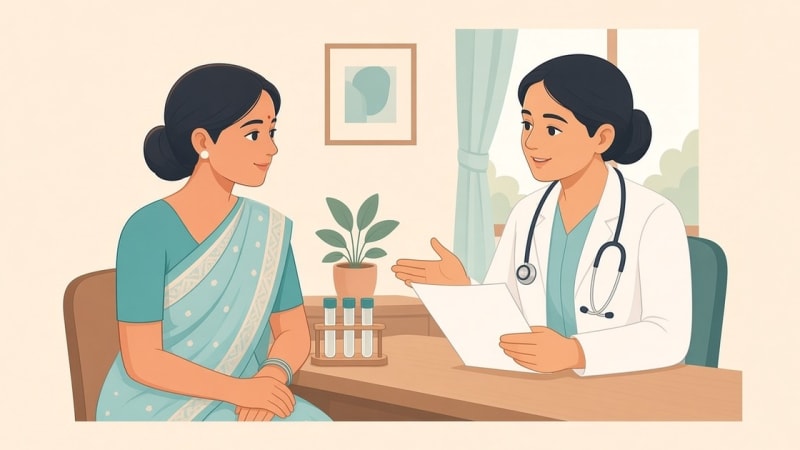
A doctor usually listens to your history and examines you. Common tests are:
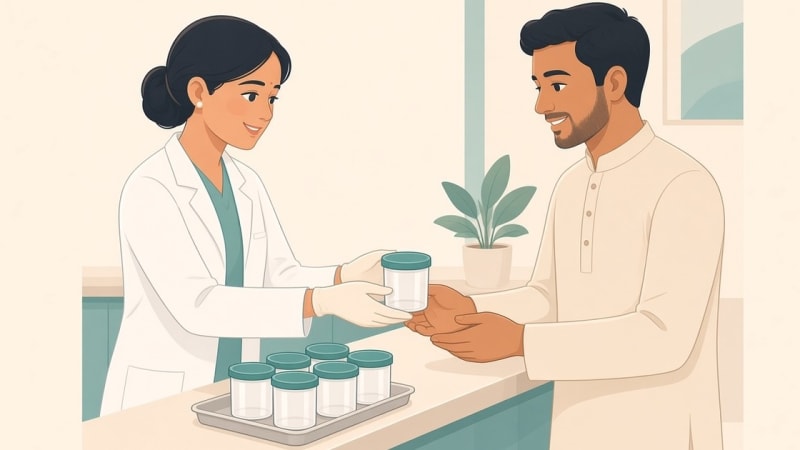
- An abdominal ultrasound, which is widely available in Bangladesh.
- Liver function tests (such as ALT and AST), blood sugar and a lipid profile.
- In some cases, further tests to look for scarring, as advised by your doctor.
What can you do at home?
Lifestyle change is the main treatment. Steady, realistic steps work better than crash plans:
- Aim for gradual weight loss if you are overweight. Losing weight very fast can itself strain the liver.
- Eat more vegetables, pulses, fish and whole grains, and cut down on sweets, sugary drinks and fried food.
- Stay active. A brisk walk on most days is a good start.
- Avoid alcohol if you have liver disease, unless your doctor says otherwise.
- Keep diabetes, blood pressure and cholesterol under control, and take medicines as prescribed.
- Do not start herbal or "liver cleansing" products without asking a doctor.
When should you see a doctor?
See a doctor if you have diabetes, obesity or high cholesterol, if your liver tests or ultrasound report is abnormal, or if you have ongoing tiredness or upper abdominal discomfort. If you also have yellow eyes or skin, read about the causes of jaundice in adults.
Which symptoms need urgent help?
Go to a hospital or call 999 if you have:
- Yellowing of the eyes or skin together with severe weakness.
- Vomiting blood or passing black, tarry stools.
- Marked swelling of the belly or legs.
- Confusion, extreme drowsiness or fainting.
What should you prepare before seeing a doctor?
Gather your previous ultrasound and blood reports, a list of your medicines and supplements, your weight and waist size, and a note of how much alcohol you drink, if any. With this information the doctor can judge your risk in less time.
Common myths about fatty liver
- "Only people who drink alcohol get fatty liver." Not true. Weight, diabetes and cholesterol are major causes.
- "Thin people cannot get it." They can, especially if they carry fat around the abdomen.
- "No symptoms means no problem." Fatty liver is often silent, so testing matters if you have risk factors.
What questions should you ask your doctor?
- What is the likely cause of my fatty liver?
- Do I need tests for scarring of the liver?
- What weight and diet goals suit me?
- How often should I have follow-up tests?
Key points
- Fatty liver often has no symptoms; get tested if you have risk factors.
- Weight, blood sugar, cholesterol and physical activity are the main levers.
- Yellow eyes, vomiting blood or confusion need urgent care.
Frequently asked questions
Can fatty liver go away completely?
In the early stage, changes to weight, diet and exercise often reduce liver fat. How much it improves differs from person to person, so follow-up is important.
Does everyone with fatty liver end up with liver damage?
No. Many people stay stable for years. In some, inflammation and scarring (fibrosis) develop and can raise the risk of cirrhosis, so regular review is needed.
Can thin people get fatty liver?
Yes. South Asians in particular can have abdominal fat and diabetes risk even at a lower body weight, so being thin is not a guarantee.
Which doctor should I see?
Usually an internal medicine doctor or a gastroenterologist. You can start with a general or internal medicine doctor and take your reports along.
Medical disclaimer
This article is for general educational information only. It is not a personal diagnosis, treatment plan or medication advice. Talk to a registered doctor before making decisions about your or your family's health. ShifaMate is not an emergency medical service. Medical review pending.
Online consultation on ShifaMate
If you have a non-urgent symptom or question, you can browse ShifaMate's doctor directory and choose a suitable doctor to request an online consultation. To book through the app, see the ShifaMate app on Google Play. Check the fee and schedule on the doctor's profile before you book. You can also view internal medicine specialists. In an emergency, do not wait online: call 999 or go to the nearest hospital.
References
Sources
This article is general health information, not medical advice for any individual. For your own situation, consult a registered doctor. In an emergency, go to the nearest hospital without delay.