Hair Fall: Causes, Safe Care and When to See a Doctor
Hair fall has many causes, from stress and iron deficiency to thyroid problems. Learn what is normal, simple care habits, tests a doctor may order and when to get help.
Medically reviewed by Dr. Shakilur Rahman, MBBS, FCPS (Part 1), MD (Phase B) · Reviewed on 23 November 2026
Hair fall is common, and most of the time it is temporary. Shedding 50 to 100 hairs a day is normal, but noticeably thinner hair, bald patches or a sudden increase in shedding deserves attention. The causes range from stress and illness to nutrient deficiencies and hormonal changes.
The right step is to find the cause rather than try random products. This guide covers common causes, safe care, tests and when to see a doctor.
What are the common causes of hair fall?
- Physical or emotional stress, high fever or major illness a few months earlier.
- Iron deficiency and other nutritional gaps; see iron deficiency anaemia symptoms.
- Thyroid problems; see hypothyroidism symptoms.
- Hormonal changes such as after childbirth, and conditions like PCOS.
- Scalp conditions such as dandruff or fungal infection.
- Family pattern baldness.
- Tight hairstyles, harsh treatments or some medicines.
What can you do at home?
- Eat balanced meals with enough protein, iron-rich foods (pulses, green leafy vegetables, fish, eggs) and fruits.
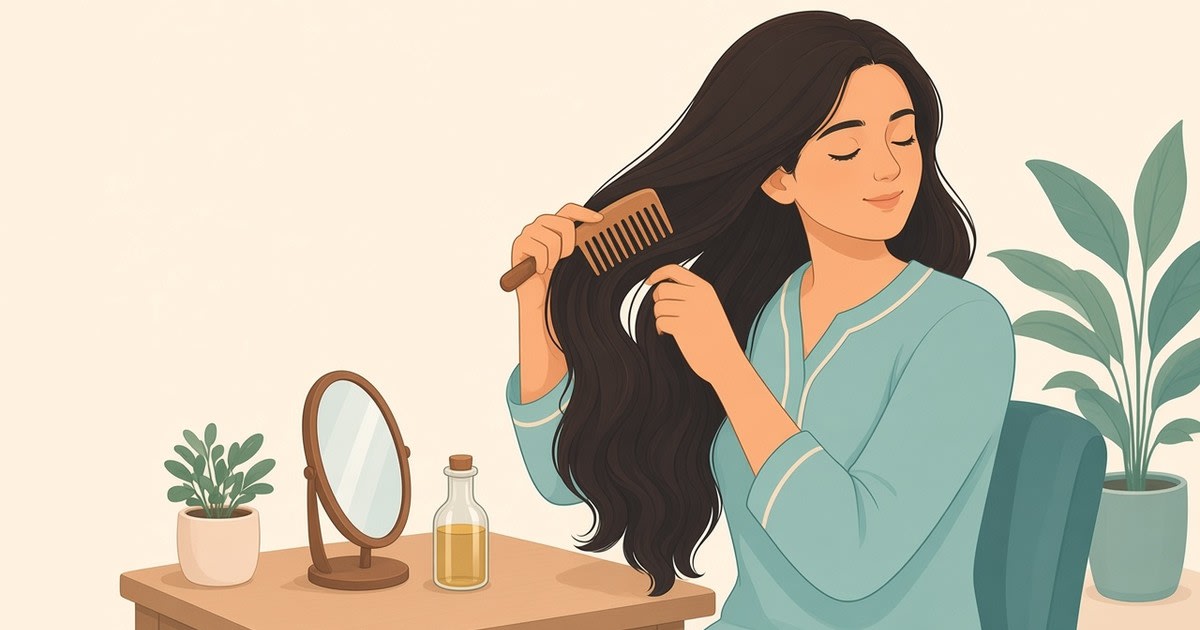
- Be gentle: use a wide-tooth comb, avoid tight styles and excessive heat or chemical treatments.
- Wash with a mild shampoo regularly; keep the scalp clean.
- Manage stress and sleep well.
- Avoid unproven oils, injections and "miracle" products.
Which tests may be needed?
Depending on your history, a doctor may check a blood count and ferritin (iron stores), thyroid function, vitamin D and B12, or blood sugar, and examine the scalp. Not everyone needs every test.
What can a doctor offer?
Treatment depends on the cause: correcting a deficiency, treating a scalp infection or thyroid disease, or, for pattern hair loss, discussing medical options and their limits. Results take months, so patience is important.
When should you see a doctor?
See a doctor if hair loss is sudden or heavy, you have bald patches, the scalp is itchy, scaly or painful, you have other symptoms such as fatigue or weight change, or if it has lasted more than a few months.
Which situations need urgent help?
- Hair loss with a painful, red, pus-filled scalp and fever.
- Sudden hair loss along with severe weakness, fainting or rapid weight change.
What should you tell the doctor?
When it started and how it has changed, recent illness, stress, childbirth or weight loss, diet, medicines and supplements, hair treatments, and family history of hair or thyroid problems.
Common myths about hair fall
- "Washing hair causes more hair fall." Washing only removes hairs that were already shed.
- "Oil massage regrows hair." It may feel relaxing but does not regrow lost hair.
- "Vitamins always fix hair loss." They help only if you are actually deficient.
What questions should you ask your doctor?
- What is the most likely cause in my case?
- Which tests do I need?
- How long before I see improvement?
- Which products or treatments should I avoid?
What are simple hair care habits?
Shampoo two or three times a week with a mild product. If you oil your hair, massage gently and avoid leaving heavy oil on overnight, which can worsen dandruff for some. Keep hijabs, caps and helmets clean and not too tight, and comb with a wide-tooth comb instead of brushing wet hair hard.
Key points
- Some daily shedding is normal; sudden or patchy loss needs a check.
- Find the cause, such as iron, thyroid or stress, before buying products.
- Be patient: regrowth takes months.
Frequently asked questions
How many hairs fall daily?
Around 50 to 100 hairs a day is typical.
Is hair fall after childbirth normal?
Yes, shedding a few months after delivery is common and usually settles within a year. See a doctor if it is severe or does not improve.
Will vitamins make my hair grow?
Only if you have a deficiency. Taking extra vitamins without need will not help and may be harmful.
Which doctor should I see?
A general physician or a dermatologist; sometimes a gynecologist or endocrinologist, depending on the cause.
Medical disclaimer
This article is for general educational information only. It is not a personal diagnosis, treatment plan or medication advice. Talk to a registered doctor before making decisions about your or your family's health. ShifaMate is not an emergency medical service. Medical review pending.
Online consultation on ShifaMate
If you have a non-urgent symptom or question, you can browse ShifaMate's doctor directory and choose a suitable doctor to request an online consultation. To book through the app, see the ShifaMate app on Google Play. Check the fee and schedule on the doctor's profile before you book. You can also view general physicians. In an emergency, do not wait online: call 999 or go to the nearest hospital.
References
Sources
Last updated: 23 November 2026
This article is general health information, not medical advice for any individual. For your own situation, consult a registered doctor. In an emergency, go to the nearest hospital without delay.