Healthy Weight Loss: Safe and Sustainable Ways, Myths and When to See a Doctor
Healthy weight loss is slow, steady and sustainable. Learn how to know if you need to lose weight, safe methods, plans to avoid and when to see a doctor.
Healthy weight loss means losing weight gradually, about 0.5 to 1 kg a week at most, through a balanced diet and regular activity that you can keep up. Crash diets, pills and "miracle" products may promise quick results, but they often fail, can harm your health and tend to bring the weight back.
The first step is to check whether you actually need to lose weight, then to build small habits. This guide explains how.
Do you actually need to lose weight?
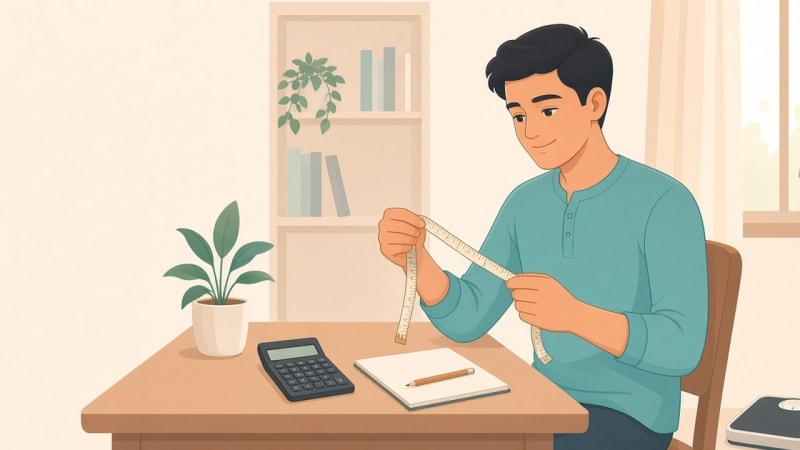
Check your BMI and waist size. For many South Asians, health risks begin at a lower BMI, around 23, so a doctor may also look at waist size, blood sugar and cholesterol. If you are unsure, read about how to calculate BMI. Children, teenagers, pregnant women and people with eating disorders or serious illness should not start diets without medical advice.
What are the safe ways to achieve healthy weight loss?
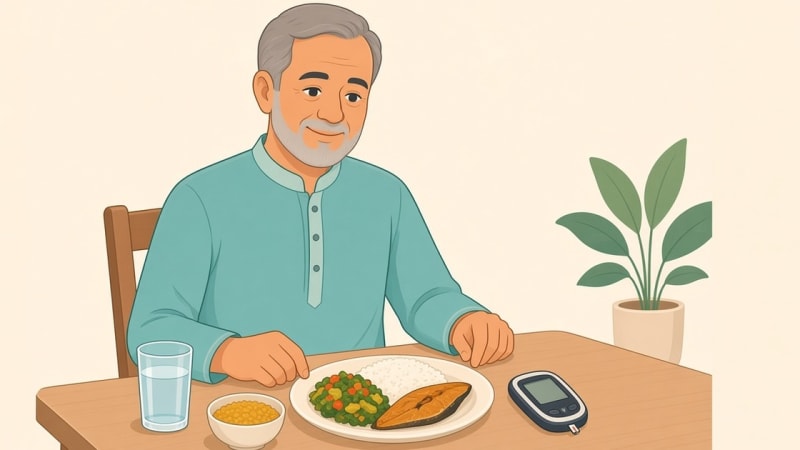
- Eat balanced meals with plenty of vegetables, pulses, fish and whole grains.
- Reduce portions of rice and fried or sugary foods instead of cutting entire food groups.
- Swap sugary drinks and sweets with water, plain tea and fruit.
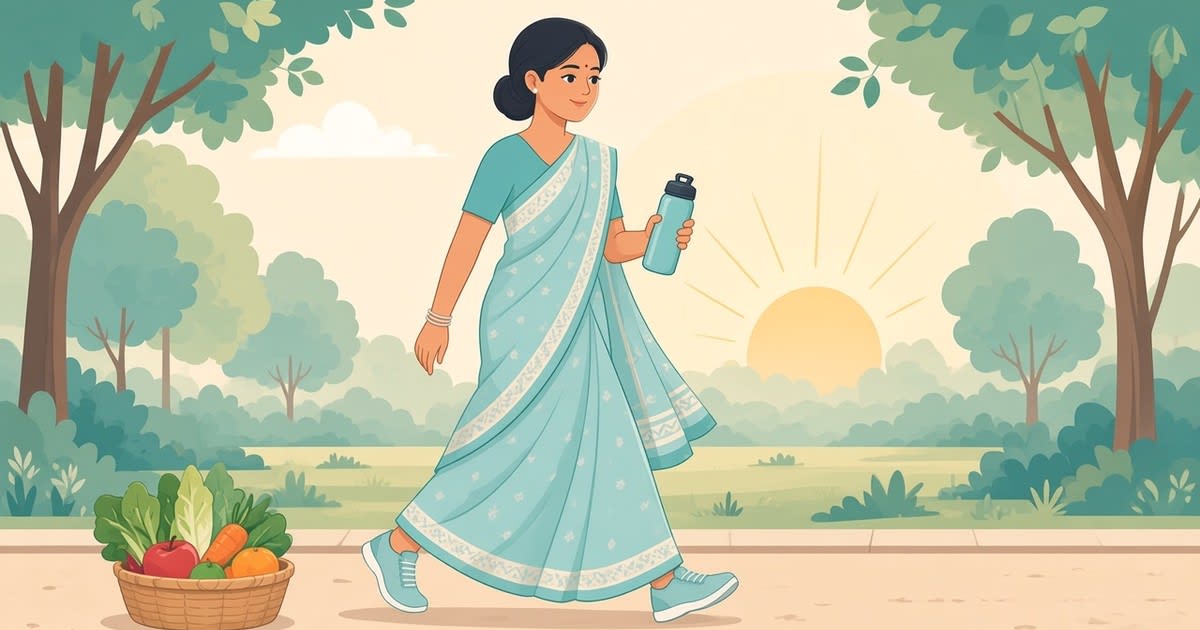
- Be active: aim for at least 150 minutes of brisk walking or similar activity a week, as health authorities advise.
- Sleep 7 to 8 hours and manage stress.
- Eat slowly and avoid eating in front of screens.
- Weigh yourself regularly but do not obsess over daily changes.
Which methods or advertisements should you avoid?
- "Lose 10 kg in a week" or "burn fat while you sleep" claims.
- Slimming pills, teas, injections or powders without a doctor's advice.
- Extreme fasting or skipping meals.
- Cutting out all carbohydrates or all fats.
- Wearing plastic or sweat suits to "melt" fat.
Could an illness be behind weight gain?
Sometimes. Under-active thyroid (see hypothyroidism symptoms), PCOS, some medicines, depression and sleep problems can contribute to weight gain. High weight also raises the risk of diabetes, high cholesterol (see normal cholesterol range) and high blood pressure. Ask a doctor to check if weight gain is sudden or unexplained.
When should you see a doctor?
See a doctor if you have a BMI over 30 (or over 27.5 for South Asians), if you have diabetes, high blood pressure or other conditions, if weight changes suddenly, or if diets keep failing.
Is unintentional weight loss normal?
No. Losing weight without trying, especially more than 5% of body weight in six months, needs a medical check. Causes include diabetes, thyroid problems, infections such as tuberculosis, digestive diseases, depression and some cancers.
Which situations need urgent help?
- Chest pain, severe breathlessness or fainting during exercise.
- Rapid weight loss with severe weakness, vomiting or dehydration.
- Signs of an eating disorder, such as extreme food restriction or purging.
What should you tell the doctor?
Your weight history, previous diets, eating habits, activity, sleep, medicines, other conditions, family history and your goals.
Common myths about weight loss
- "Skipping dinner is the way to lose weight." It can backfire with overeating later.
- "You can lose fat from one body part." You cannot spot-reduce.
- "Fast weight loss is better." Slow loss is more likely to last.
- "Fat-free means calorie-free." Often not.
How can family support and sustainable habits help?
Involve your family: cook healthy meals together, keep sweets out of sight and walk together in the evening. Set small, specific goals such as a 30-minute walk five days a week. Celebrate small wins and be kind to yourself after slip-ups. Support makes long-term change easier.
Key points
- Aim for slow, steady loss through balanced meals and regular activity.
- Avoid crash diets, pills and extreme claims.
- See a doctor if weight changes unexpectedly or you have other conditions.
Frequently asked questions
Is losing weight fast harmful?
Very rapid loss can cause weakness, gallstones, muscle loss and nutrient deficiencies, and the weight often comes back.
Is skipping dinner good for weight loss?
Not necessarily. Eating a light, balanced dinner earlier in the evening is a better approach for most people.
What should I do about a child's or teenager's weight?
Do not put children or teenagers on diets. Focus on healthy meals, activity and sleep, and ask a pediatrician for guidance.
Which doctor should I see?
A medicine specialist or a dietitian; an endocrinologist if a hormonal cause is suspected.
Medical disclaimer
This article is for general educational information only. It is not a personal diagnosis, treatment plan or medication advice. Talk to a registered doctor before making decisions about your or your family's health. ShifaMate is not an emergency medical service. Medical review pending.
Online consultation on ShifaMate
If you have a non-urgent symptom or question, you can browse ShifaMate's doctor directory and choose a suitable doctor to request an online consultation. To book through the app, see the ShifaMate app on Google Play. Check the fee and schedule on the doctor's profile before you book. You can also view internal medicine specialists. In an emergency, do not wait online: call 999 or go to the nearest hospital.
References
Sources
This article is general health information, not medical advice for any individual. For your own situation, consult a registered doctor. In an emergency, go to the nearest hospital without delay.