Irregular Periods: Common Causes, Tests and When to See a Doctor
Irregular periods have many causes, including stress, PCOS, thyroid problems and weight change. Learn what counts as irregular, which tests help and when to see a doctor.
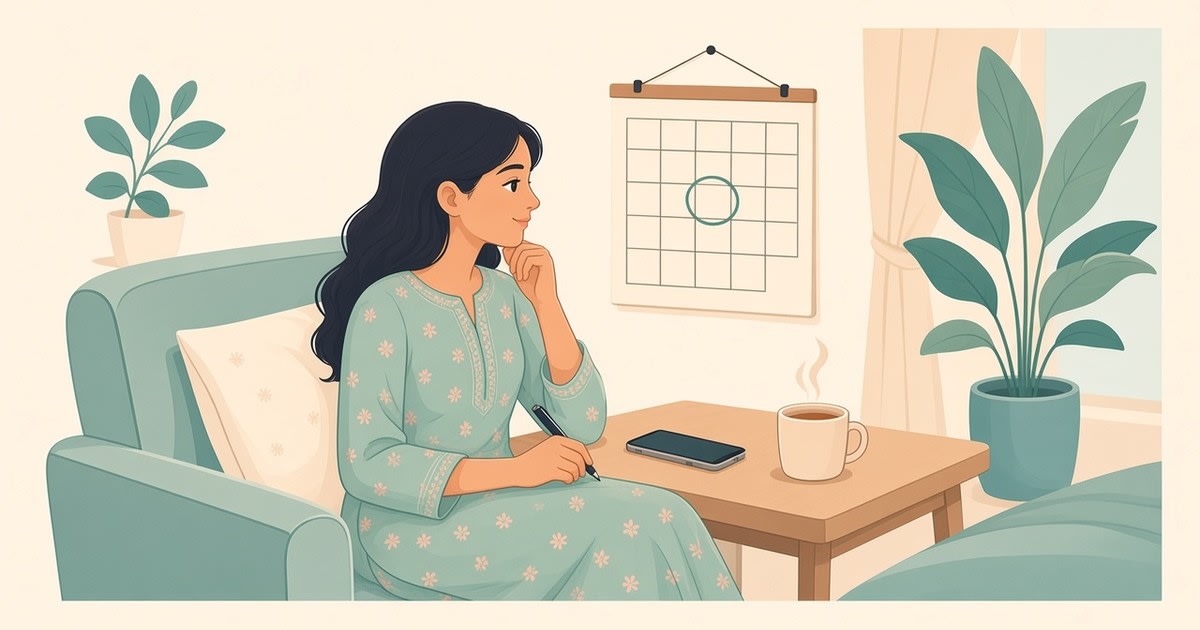
Irregular periods mean your menstrual cycle is shorter or longer than usual, or varies a lot from month to month. They are common, especially in the first years after periods start and in the years before menopause, and are often due to stress, weight change or hormones. But they can also point to conditions such as PCOS or thyroid disease.
This guide explains what counts as irregular, common causes, tests and when to see a doctor.
What do irregular periods mean?
A typical cycle is about 21 to 35 days, counted from the first day of one period to the first day of the next. According to the NHS, periods may be considered irregular if:
- The gap between periods changes a lot from month to month.
- Cycles are shorter than 21 days or longer than 35 days.
- You miss periods for three months or more (and are not pregnant).
- Bleeding is much heavier, lighter or longer than usual.
What causes irregular periods?
- Pregnancy and breastfeeding; always consider a pregnancy test first.
- Stress, big weight loss or gain, heavy exercise or poor nutrition.
- Polycystic ovary syndrome (PCOS); see PCOS symptoms.
- Thyroid problems; see hypothyroidism symptoms.
- Hormonal contraceptives or other medicines.
- Perimenopause, or in rare cases other conditions of the uterus or ovaries.
- Anaemia can accompany heavy bleeding; see iron deficiency anaemia symptoms.
Which tests might be needed?
A doctor may advise a pregnancy test, blood tests (for example haemoglobin, thyroid and hormone tests), and a pelvic ultrasound. Which tests you need depends on your age, symptoms and history.
What can you do at home?
- Track your periods to see patterns.
- Eat a balanced diet and keep to a healthy weight.
- Manage stress and sleep well.
- Exercise regularly but avoid extremes.
- Do not take hormonal pills or "period-inducing" medicines without medical advice.
When should you see a doctor?
See a doctor if your periods suddenly become irregular, you have missed three periods in a row without pregnancy, bleeding is very heavy, periods are very painful, or you are trying to conceive. Read also the related guide on period pain and when to see a doctor.
Which situations need urgent help?
- Very heavy bleeding (soaking a pad every hour for several hours) or dizziness and fainting.
- Severe lower abdominal pain, especially with a missed period or positive pregnancy test.
- Bleeding during pregnancy or after menopause.
What should you tell the doctor?
The dates of your last few periods, how heavy they are, any pain, possible pregnancy, weight changes, stress, medicines and contraceptives, and any family history of PCOS or thyroid disease.
Common myths about irregular periods
- "Irregular periods always mean you cannot have children." Many women with irregular cycles conceive, sometimes with treatment.
- "It will fix itself, so ignore it." Persistent irregularity needs checking.
- "Pills are the first answer." The cause should be found first.
What questions should you ask your doctor?
- What is the likely cause of my irregular periods?
- Which tests do I need?
- Does this affect my chances of pregnancy?
- Which lifestyle changes will help?
How can you track your periods easily?
Note the first and last day of every period, whether bleeding is light or heavy, and any pain or symptoms, on a calendar or a phone app. With three to six months of notes your doctor can see the pattern. Also note the date of any pregnancy test when a period is late. This small habit helps find the cause and avoid unnecessary tests.
Key points
- Cycles of 21 to 35 days are typical; missing three periods needs a check.
- Stress, weight, PCOS and thyroid problems are common causes.
- Very heavy bleeding or severe pain is urgent.
Frequently asked questions
How late can a period be before I see a doctor?
If you are not pregnant and miss three periods in a row, or if your cycle has changed suddenly, see a doctor. Take a pregnancy test first if there is any chance of pregnancy.
Can stress stop periods?
Yes. Severe stress, illness or weight change can delay or stop periods.
Can irregular periods be treated?
Often yes, once the cause is found. Lifestyle changes and medical treatment help in many cases.
Which doctor should I see?
A gynecologist, or start with a general physician.
Medical disclaimer
This article is for general educational information only. It is not a personal diagnosis, treatment plan or medication advice. Talk to a registered doctor before making decisions about your or your family's health. ShifaMate is not an emergency medical service. Medical review pending.
Online consultation on ShifaMate
If you have a non-urgent symptom or question, you can browse ShifaMate's doctor directory and choose a suitable doctor to request an online consultation. To book through the app, see the ShifaMate app on Google Play. Check the fee and schedule on the doctor's profile before you book. You can also view gynecology and obstetrics doctors. In an emergency, do not wait online: call 999 or go to the nearest hospital.
References
Sources
This article is general health information, not medical advice for any individual. For your own situation, consult a registered doctor. In an emergency, go to the nearest hospital without delay.