Malaria Fever Symptoms: Shivering Fever, Testing, Prevention and When to Seek Urgent Care
Malaria fever symptoms include shivering, high fever and sweating in cycles. Learn how malaria differs from dengue and typhoid, how it is tested and prevented.
Malaria fever symptoms typically include high fever with shivering, followed by heavy sweating, headache, body aches and tiredness. In some patients the pattern repeats every day or two. Malaria is spread by the bite of infected Anopheles mosquitoes, not from person to person.
In Bangladesh the risk is mainly in some hill and border areas. Any fever after travel there should be tested without delay.
What are the malaria fever symptoms?
According to the WHO and NHS:
- Fever, chills and shivering, often in cycles.
- Headache, muscle and joint pain.
- Sweating, nausea, vomiting and tiredness.
- In severe cases: confusion, breathlessness, yellow eyes, dark urine or seizures.
How is malaria different from dengue and typhoid?
All can cause fever, so testing is needed. Dengue is spread by Aedes mosquitoes and often brings severe body pain and a rash; see dengue symptoms and warning signs. Typhoid usually develops slowly with stomach symptoms; see typhoid symptoms and treatment. For general advice, read fever in adults: when to see a doctor.
How is malaria confirmed?
By a blood test: a rapid diagnostic test (RDT) or a microscope blood smear. The result also shows which type of malaria it is, which guides treatment.
What is the treatment?
Treatment depends on the type and severity and must be prescribed by a doctor. Never take leftover or random antimalarial medicines. Complete the full course exactly as advised.
How can you prevent malaria?
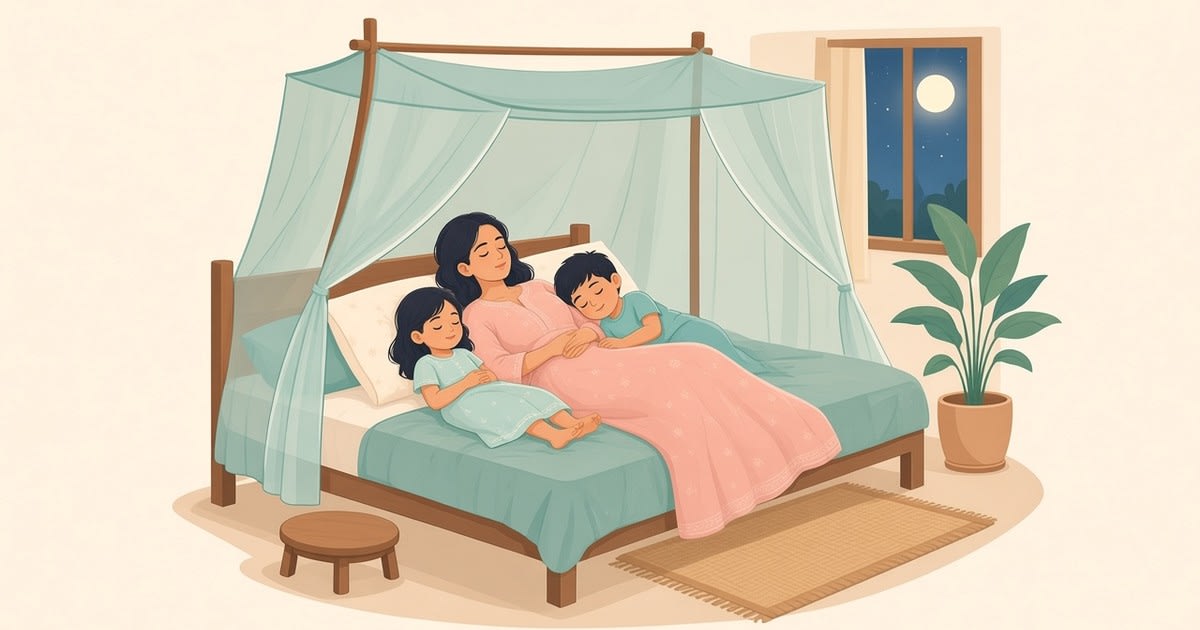
- Sleep under an insecticide-treated mosquito net.
- Use mosquito repellent and wear long sleeves and trousers at dawn and dusk.
- Keep doors and windows screened and remove standing water.
- If you travel to a risk area, talk to a doctor about whether you need preventive medicine.
When should you see a doctor?
See a doctor the same day if you have fever and have been in or near a malaria-risk area in the past weeks or months, or if fever has lasted more than two days without a clear cause.
Which signs need urgent hospital care?
- Confusion, seizures or extreme drowsiness.
- Difficulty breathing.
- Yellow eyes or skin, very dark urine, or little urine.
- Persistent vomiting or inability to drink.
- Bleeding, or fever in a pregnant woman or small child.
What should you tell the doctor?
Where you have travelled and when, how the fever behaves, other symptoms, medicines taken, pregnancy and existing illnesses.
Common myths about malaria
- "Malaria spreads from person to person." It does not.
- "Any fever medicine treats malaria." Only specific antimalarial treatment does.
- "It can only occur in jungles." Risk depends on mosquitoes and location, including some village areas.
What questions should you ask your doctor?
- Which test confirms my fever?
- Which type of malaria is it?
- Can I be treated at home or do I need admission?
- How can I protect my family?
What should you do before travelling to the hills?
Check recent risk information with local health authorities or a doctor before you go. Carry a mosquito net, repellent and long clothes. If you develop fever within weeks of returning, tell your doctor about your travel. Ask whether preventive medicine suits you; pregnant women and children need separate advice.
Where can you get testing and treatment?
Rapid tests and blood smears are available at government health facilities and hospitals. Test early, because prompt correct treatment reduces complications.
Key points
- Shivering fever after travel to a risk area needs a blood test.
- Use nets and repellents; do not self-medicate.
- Confusion, seizures or breathlessness are emergencies.
Frequently asked questions
Does malaria spread from one person to another?
No. It spreads through the bite of infected mosquitoes, not through touch or breathing.
Is there a malaria vaccine?
Vaccines exist and are used in some countries for children, but prevention in Bangladesh still relies on nets, repellents and early treatment. Ask your doctor about your situation.
Can I get malaria again after recovering?
Yes. Past infection does not give full protection, so keep taking precautions.
Which doctor should I see?
A general physician or medicine specialist; go to a hospital if severe.
Medical disclaimer
This article is for general educational information only. It is not a personal diagnosis, treatment plan or medication advice. Talk to a registered doctor before making decisions about your or your family's health. ShifaMate is not an emergency medical service. Medical review pending.
Online consultation on ShifaMate
If you have a non-urgent symptom or question, you can browse ShifaMate's doctor directory and choose a suitable doctor to request an online consultation. To book through the app, see the ShifaMate app on Google Play. Check the fee and schedule on the doctor's profile before you book. You can also view general physicians. In an emergency, do not wait online: call 999 or go to the nearest hospital.
References
Sources
This article is general health information, not medical advice for any individual. For your own situation, consult a registered doctor. In an emergency, go to the nearest hospital without delay.