Panic Attack: Symptoms, What to Do Right Now and When to Get Help
A panic attack brings sudden intense fear with a racing heart and breathlessness. Learn the symptoms, how it differs from a heart attack and what helps in the moment.
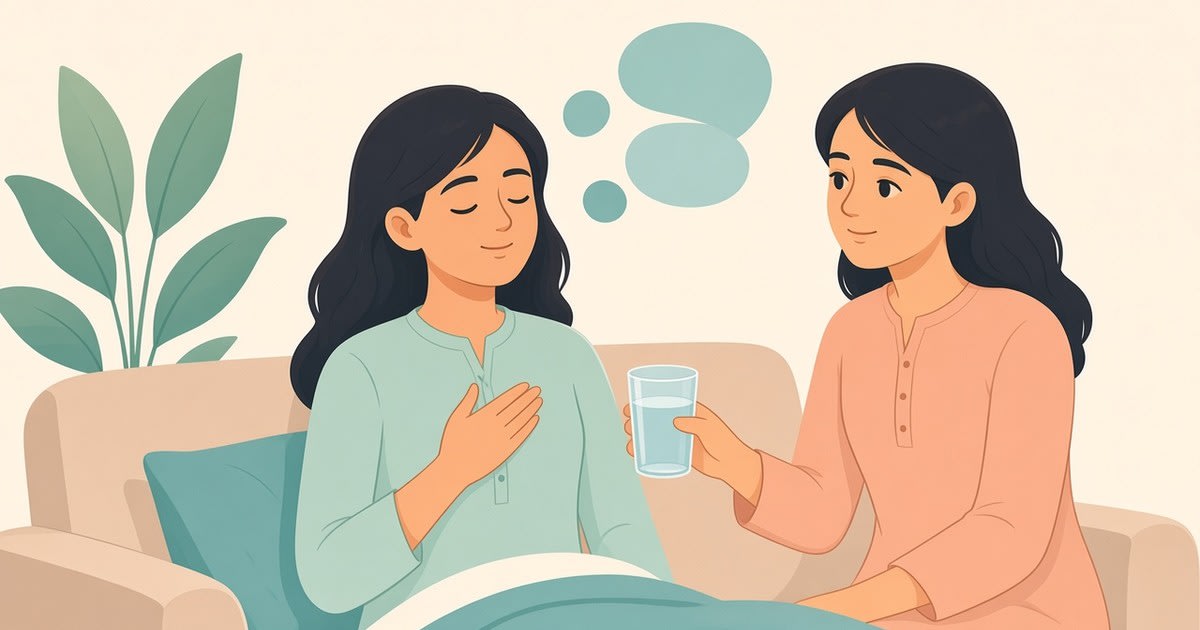
A panic attack is a sudden surge of intense fear that peaks within minutes. It can feel frightening, with a pounding heart, shortness of breath, sweating and shaking, but it is not dangerous in itself and usually passes within 10 to 20 minutes.
If it is your first attack, or you have chest pain, get checked by a doctor to rule out a heart or other physical problem. This guide explains what to do during and after an attack.
What are the symptoms of a panic attack?
According to the NHS and NIMH:
- Racing or pounding heart and chest discomfort.
- Shortness of breath or a feeling of choking.
- Sweating, trembling, dizziness or light-headedness.
- Tingling or numbness in the hands or face.
- Nausea, hot or cold flushes.
- A feeling of unreality, or fear of losing control or dying.
How is a panic attack different from a heart attack?
They can feel alike. A heart attack more often brings pressure or heaviness in the chest that may spread to the arm, jaw or back, especially with exertion, and does not ease. If you are unsure, treat it as an emergency and call 999, particularly if you are over 40, have heart risk factors or the pain is new. Palpitations are covered further in the related guide on when to see a doctor.
What should you do during a panic attack?
- Remind yourself that it is a panic attack and will pass.
- Sit down somewhere safe and breathe slowly: in through the nose for about four counts, out through the mouth for about six.
- Focus on something around you: name five things you can see.
- Loosen tight clothing and sip water.
- Avoid caffeine, smoking and alcohol afterwards.
How can you reduce future attacks?
- Practise slow breathing and relaxation daily.
- Keep regular sleep; see how to sleep better.
- Exercise regularly and cut down on caffeine and energy drinks.
- Learn about anxiety; see anxiety symptoms and getting help.
- Avoid avoiding places; gradual exposure with support helps.
What treatment may help?
Talking therapies such as cognitive behavioural therapy (CBT) are effective for many people. A doctor may also discuss medicines in some cases. Do not start sedatives on your own.
When should you see a doctor?
See a doctor after a first attack, if attacks recur, if you avoid normal activities from fear, or if you also feel persistently low or anxious.
Which situations need emergency help?
- Chest pain that is crushing, spreading or does not settle.
- Breathlessness that gets worse, fainting or blue lips.
- Thoughts of harming yourself.
In any of these, call 999 or go to the nearest hospital.
What should you tell the doctor?
How often attacks occur, how long they last, possible triggers, caffeine, alcohol and medicine use, sleep, stress at work or home, and family history of anxiety or heart disease.
Common myths about panic attacks
- "It means you are weak or going mad." Panic is a common medical condition.
- "You can die from a panic attack." The attack itself is not dangerous, though checking for physical causes matters.
- "Just relax and it will go." It helps to learn techniques and sometimes seek treatment.
What questions should you ask your doctor?
- Could my symptoms have a physical cause?
- Is this panic disorder or another anxiety condition?
- Would therapy or medicine be right for me?
- What can I do between attacks?
What can you do if someone you love has a panic attack?
Stay calm, speak slowly and reassure them it will pass. Help them sit somewhere quiet and breathe slowly, perhaps counting together. Avoid saying "calm down" or "it is nothing". If chest pain is severe, if it is the first time or if they faint, get emergency help.
What should you do afterwards?
Once it passes, sip water and rest. Note what was happening before the attack. If attacks repeat, speak to a doctor or a trained counsellor. Cutting down on coffee, energy drinks and smoking may also help.
Key points
- A panic attack feels severe but passes; slow breathing helps.
- If chest pain is severe or new, treat it as an emergency.
- Therapy works; see a doctor if attacks repeat.
Frequently asked questions
How long does a panic attack last?
Usually a few minutes to about 20 minutes, with the peak in the first 10 minutes.
Can panic attacks happen during sleep?
Yes. Nocturnal panic attacks can wake people suddenly with fear and a racing heart.
Can panic attacks be cured completely?
Many people recover or have far fewer attacks with treatment and coping skills.
Which doctor should I see?
Start with a general physician; a psychiatrist or counsellor can help with ongoing care.
Medical disclaimer
This article is for general educational information only. It is not a personal diagnosis, treatment plan or medication advice. Talk to a registered doctor before making decisions about your or your family's health. ShifaMate is not an emergency medical service. Medical review pending.
Online consultation on ShifaMate
If you have a non-urgent symptom or question, you can browse ShifaMate's doctor directory and choose a suitable doctor to request an online consultation. To book through the app, see the ShifaMate app on Google Play. Check the fee and schedule on the doctor's profile before you book. You can also view general physicians. In an emergency, do not wait online: call 999 or go to the nearest hospital.
References
Sources
This article is general health information, not medical advice for any individual. For your own situation, consult a registered doctor. In an emergency, go to the nearest hospital without delay.