Piles Symptoms (Haemorrhoids): Bleeding, Pain, Causes and When to See a Doctor
Piles symptoms include bright red bleeding, itching and a lump near the anus. Learn the causes, simple home care and why blood in the stool always needs a check.
Medically reviewed by Dr. Shakilur Rahman, MBBS, FCPS (Part 1), MD (Phase B) · Reviewed on 22 November 2026
Piles symptoms usually include bright red blood after passing stool, itching or discomfort around the anus, and sometimes a soft lump that may come out. Piles (haemorrhoids) are swollen veins in the lower rectum and anal area, and they are very common.
Most piles can be managed with simple changes to diet and toilet habits, but blood in the stool should never be assumed to be piles without a doctor's check.
What are the main piles symptoms?
According to the NHS, you may notice:
- Bright red blood on toilet paper, in the toilet bowl or on the stool.
- Itching, soreness or irritation around the anus.
- A lump hanging down outside the anus.
- A feeling that the bowel has not fully emptied.
- Mucus after a bowel movement.
Piles are not usually very painful; severe pain may suggest another problem such as a fissure or a clot in a pile.
What causes piles?
- Straining and constipation.
- Sitting for a long time, especially on the toilet.
- Pregnancy and childbirth.
- Being overweight, heavy lifting and chronic cough.
- Low-fibre diets and, for some people, a family tendency.
What can you do at home to ease symptoms?
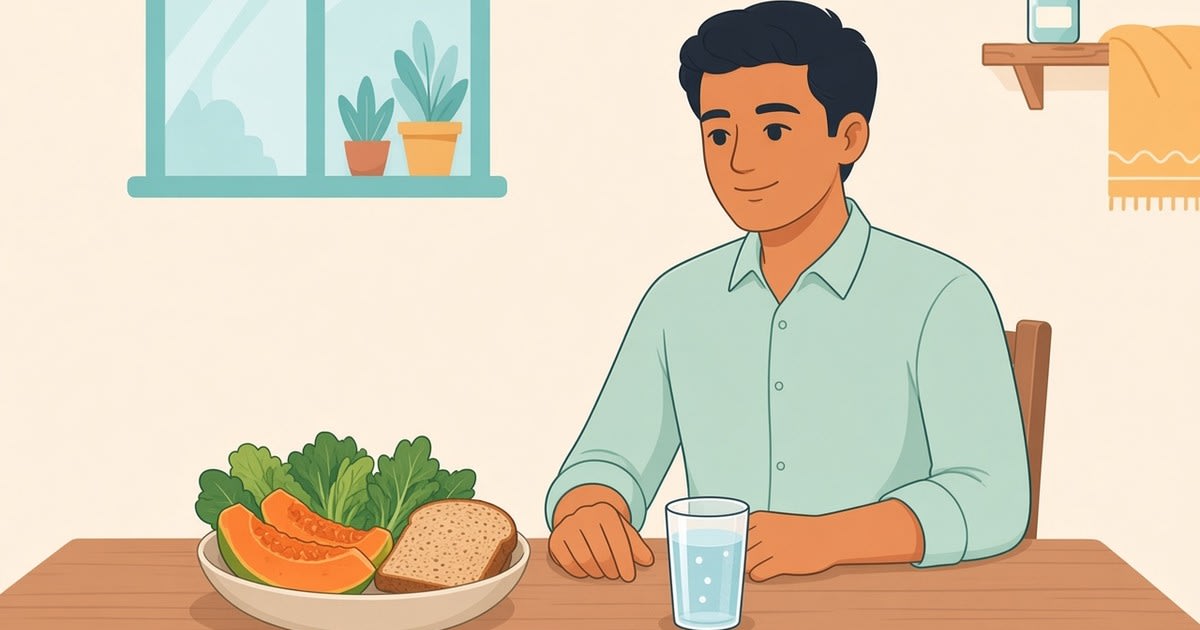
- Eat more fibre: vegetables, fruit, pulses and whole grains.
- Drink enough water through the day.
- Do not strain, and do not delay when you feel the urge.
- Keep the area clean with plain water and pat dry; avoid scented wipes and harsh soaps.
- Warm sitz baths may soothe discomfort.
- Stay active and avoid long periods of sitting.
- Use any cream or medicine only as advised by a doctor or pharmacist.
Why does blood in the stool need checking?
Bleeding from piles is common, but similar bleeding can come from other conditions in the bowel, including serious ones. If you are over 40, bleeding is new or repeated, or comes with a change in bowel habits, weight loss or dark stool, you need a doctor's assessment and possibly further tests.
When should you see a doctor?
See a doctor if bleeding is recurrent, if you have a lump that stays out or becomes painful, if symptoms do not improve in a week or two of home care, or if you are unsure whether it is piles. If you are unsure which specialist to see, read which specialist should I see in Bangladesh.
Which signs need urgent help?
- Heavy bleeding or clots, dizziness or fainting.
- Severe, sudden pain with a hard, swollen lump.
- Black, tarry stools or bleeding with fever.
What should you tell an online doctor?
How long symptoms have lasted, the colour and amount of blood, bowel habits, diet, pain, medicines (including blood thinners) and any family history of bowel disease. For tips, see how to prepare for an online doctor visit.
Common myths about piles
- "Spicy food alone causes piles." Constipation and straining are bigger factors.
- "All rectal bleeding is piles." Not always.
- "Surgery is always needed." Most piles improve with simple measures.
What questions should you ask your doctor?
- Is this piles, a fissure or something else?
- Do I need any tests?
- Which diet and habits should I change?
- When might a procedure be considered?
Which small toilet habits make a big difference?
Avoid reading or using a phone on the toilet, which keeps you sitting too long. Resting your feet on a small stool may make passing stool easier. Use the urge after breakfast, wait without pushing hard, and walk around regularly if you sit for work. Do not hold your breath and strain when lifting heavy things.
Key points
- Fibre, water and no straining are the foundation of care.
- Do not assume bleeding is piles; get it checked, especially after age 40.
- Heavy bleeding or severe pain needs urgent attention.
Frequently asked questions
Do piles go away on their own?
Mild piles often settle in a few days to weeks with good habits, but they can return if constipation continues.
Can piles turn into cancer?
Piles do not become cancer, but bowel cancer can cause similar bleeding, which is why checking matters.
What should I do about piles during pregnancy?
Eat fibre, drink water, avoid straining and talk to your doctor before using any cream or medicine.
Which doctor should I see?
A general physician first; a surgeon or colorectal specialist if procedures are needed.
Medical disclaimer
This article is for general educational information only. It is not a personal diagnosis, treatment plan or medication advice. Talk to a registered doctor before making decisions about your or your family's health. ShifaMate is not an emergency medical service. Medical review pending.
Online consultation on ShifaMate
If you have a non-urgent symptom or question, you can browse ShifaMate's doctor directory and choose a suitable doctor to request an online consultation. To book through the app, see the ShifaMate app on Google Play. Check the fee and schedule on the doctor's profile before you book. You can also view general physicians. In an emergency, do not wait online: call 999 or go to the nearest hospital.
References
Sources
Last updated: 22 November 2026
This article is general health information, not medical advice for any individual. For your own situation, consult a registered doctor. In an emergency, go to the nearest hospital without delay.