Pneumonia Symptoms in Adults and Children: Danger Signs, Causes and When to Go to Hospital
Pneumonia symptoms include cough, fever and fast or difficult breathing. Learn the signs in adults and children, causes, prevention and when to go to hospital.
Medically reviewed by Dr. Shakilur Rahman, MBBS, FCPS (Part 1), MD (Phase B) · Reviewed on 23 November 2026
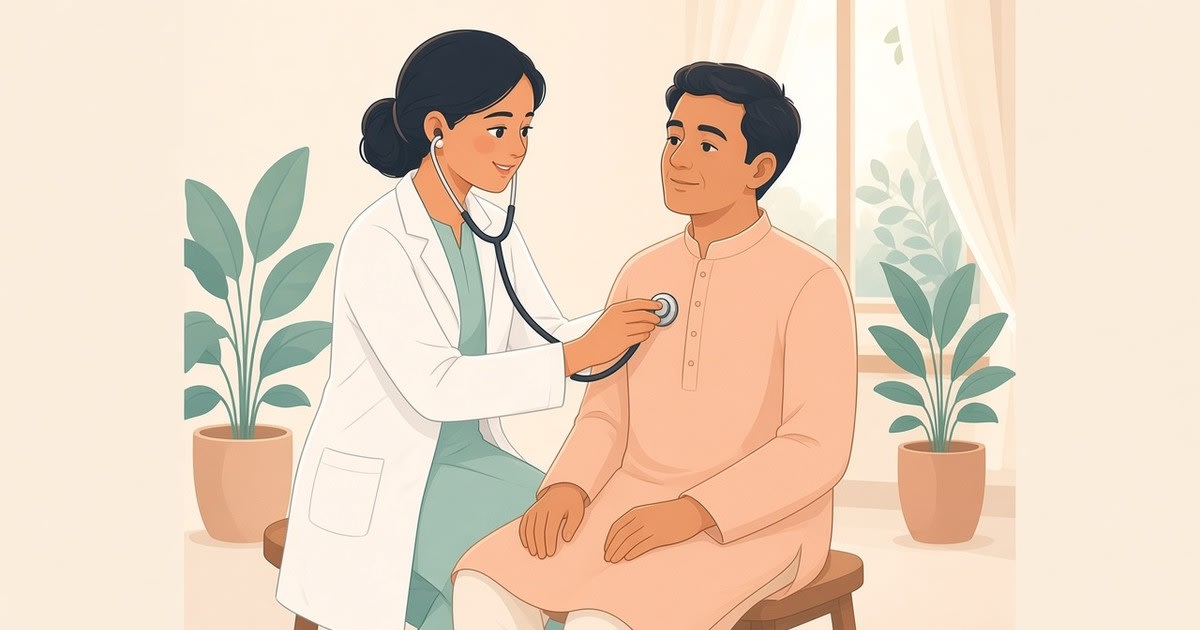
Pneumonia symptoms usually include cough with phlegm, fever, chills, chest pain when breathing and shortness of breath. Pneumonia is an infection of the lungs that can be mild or life-threatening, and it is especially risky for young children, older adults and people with other illnesses.
Fast or difficult breathing is the key danger sign. This guide explains what to look for in adults and children and when to go to hospital.
What are the pneumonia symptoms?
According to the NHS and WHO, adults may have:
- A cough, which may bring up yellow, green or bloody phlegm.
- Fever, sweating and shivering.
- Fast, shallow breathing or breathlessness.
- Chest pain that gets worse when you breathe or cough.
- Tiredness, loss of appetite, and sometimes confusion in older people.
What are the signs of pneumonia in children?
- Fast breathing or the chest drawing in below the ribs with each breath.
- Fever and cough, wheezing or grunting.
- Poor feeding or refusing to drink.
- Unusual sleepiness or irritability.
- Blue or pale lips in severe cases.
Pneumonia is a leading cause of death in young children worldwide, so any breathing difficulty in a child needs prompt care. See also fever in children: when to worry.
What causes pneumonia?
Bacteria, viruses and, less often, fungi. It can follow a cold or flu (see cold versus flu). Smoking, polluted air (see air pollution and health), malnutrition, long-term diseases and weakened immunity raise the risk.
What should you do and not do at home?
- Get a doctor's diagnosis; do not self-treat with leftover antibiotics.
- Rest and drink plenty of fluids.
- Take medicines exactly as prescribed and finish the course.
- Do not smoke and avoid smoky rooms and cooking smoke.
- Do not give cough syrups to young children without a doctor's advice.
How can pneumonia be prevented?
- Keep childhood vaccinations up to date (including pneumococcal and Hib vaccines).
- Annual flu vaccination for those at risk, as advised.
- Wash hands, avoid smoking and reduce indoor smoke.
- Breastfeed babies and keep children well nourished.
When should you see a doctor?
See a doctor promptly if a cough with fever lasts more than a few days, if you feel breathless, have chest pain, or if you are older or have diabetes, heart or lung disease. Take any child with fast breathing to a doctor the same day.
Which signs need urgent hospital care?
- Severe breathlessness, blue lips or fingers.
- Chest drawing in, grunting or a child too weak to feed or drink.
- Confusion, fainting or very high fever that does not settle.
- Chest pain that is severe.
What should you tell the doctor?
When it began, how high the fever is, how fast the breathing is, existing illnesses, smoking, medicines taken, vaccination status and any contacts who are ill.
Common myths about pneumonia
- "Pneumonia only happens in winter." It can occur any time.
- "Antibiotics always work." They work for bacterial pneumonia, not viral.
- "A cough can be treated at home whatever the signs." Breathing difficulty is never a home-care problem.
What questions should you ask your doctor?
- Is this bacterial or viral?
- Do I need a chest X-ray or blood tests?
- Can I be treated at home or do I need admission?
- When can I return to normal activity?
What should you remember while recovering?
Fatigue can last for weeks. Rest, eat nourishing food and take medicines for the full course even if you feel better. Avoid smoking and dusty or smoky air. Your doctor may repeat a chest X-ray; go back promptly if fever returns or breathing worsens.
Key points
- Fast or difficult breathing is the main danger sign, especially in children.
- Seek a doctor early; do not self-medicate with antibiotics.
- Vaccines and clean air lower the risk.
Frequently asked questions
Is pneumonia contagious?
The germs that cause it can spread through coughs and sneezes, but not everyone exposed develops pneumonia.
How long does it take to recover?
Many people improve within one to two weeks, but tiredness may last longer. Severe cases take longer.
What should I do if phlegm collects in my chest?
Drink fluids and rest; see a doctor if you have fever, breathlessness or coloured or bloody phlegm.
Which doctor should I see?
A general physician or medicine specialist; a child needs a pediatrician.
Medical disclaimer
This article is for general educational information only. It is not a personal diagnosis, treatment plan or medication advice. Talk to a registered doctor before making decisions about your or your family's health. ShifaMate is not an emergency medical service. Medical review pending.
Online consultation on ShifaMate
If you have a non-urgent symptom or question, you can browse ShifaMate's doctor directory and choose a suitable doctor to request an online consultation. To book through the app, see the ShifaMate app on Google Play. Check the fee and schedule on the doctor's profile before you book. You can also view general physicians. In an emergency, do not wait online: call 999 or go to the nearest hospital.
References
Sources
Last updated: 23 November 2026
This article is general health information, not medical advice for any individual. For your own situation, consult a registered doctor. In an emergency, go to the nearest hospital without delay.