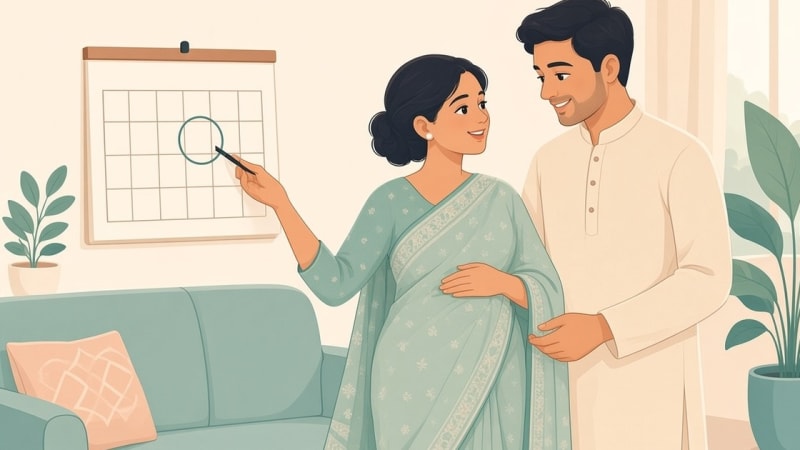
Early Signs of Pregnancy: First Symptoms, When to Test and Next Steps
Early signs of pregnancy include a missed period, nausea, breast tenderness and tiredness. Learn when to take a pregnancy test and what to do after a positive result.
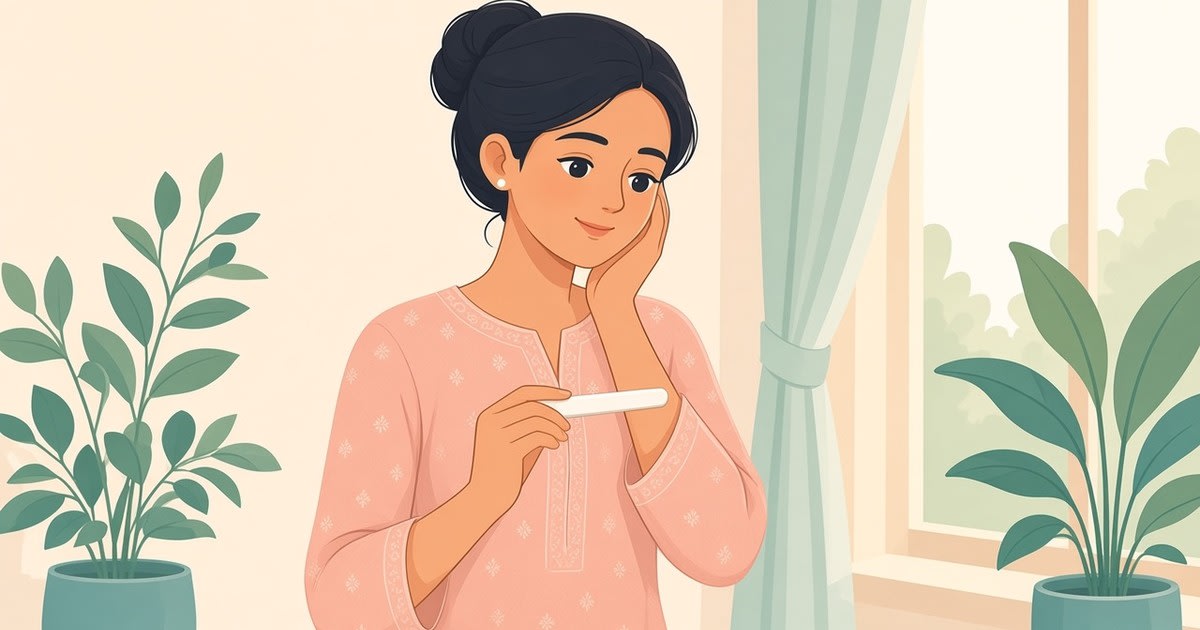
The early signs of pregnancy usually start with a missed period, along with nausea, breast tenderness or heaviness, tiredness and passing urine more often. But symptoms alone cannot confirm pregnancy; a pregnancy test is the reliable way. If you suspect you are pregnant, you can test from the first day your period is late.
Every woman's experience is different. Some notice symptoms in the first week, while others have none. A late period has other causes too, such as stress or PCOS; see PCOS symptoms.
What are the early signs of pregnancy?
According to the NHS and MedlinePlus, possible early signs include:
- A missed period: often the first sign in women with regular cycles.
- Nausea or vomiting: not only in the morning; it can occur any time of day.
- Breast tenderness, heaviness or darker nipples.
- Tiredness and sleepiness.
- Passing urine more often.
- Food cravings or aversions, a metallic taste, and mild cramps or light spotting.
When should you take a pregnancy test?
Most home tests are accurate from the first day of a missed period. Testing with the first urine of the day gives the best result. If it is negative but your period still does not come, repeat after a few days. Testing too early can give a false negative.
What should you do first if the test is positive?
- Contact a doctor to confirm pregnancy and arrange antenatal care.
- Start folic acid as advised by your doctor.
- Stop smoking, alcohol and any medicines or herbal products not approved by your doctor.
- Eat balanced meals, drink water and rest.
- Learn the danger signs; see pregnancy danger signs.
How can you cope with common early discomforts?
- For nausea, eat small, frequent meals, avoid strong smells and sip fluids.
- For tiredness, rest when you can and sleep well.
- For breast tenderness, wear a supportive, comfortable bra.
- For frequent urination, drink enough fluids during the day and reduce them near bedtime.
- Check iron levels if you feel very weak; see iron deficiency anaemia symptoms.
When should you see a doctor?
See a doctor as soon as a pregnancy test is positive, or earlier if you are planning pregnancy. See a doctor sooner if you have a medical condition such as diabetes or high blood pressure, or take regular medicines.
Which situations need urgent help?
- Severe pain on one side of the lower abdomen, especially with bleeding or dizziness.
- Heavy vaginal bleeding.
- Severe, persistent vomiting with inability to keep fluids down.
- Fainting, high fever or severe headache.
What should you tell the doctor?
The date of your last period, test results, previous pregnancies, medical conditions, medicines and supplements, and any family history of pregnancy complications.
Common myths about pregnancy
- "You will feel symptoms right away." Many women do not.
- "A missed period always means pregnancy." There are other causes.
- "Morning sickness only happens in the morning." It can last all day.
What questions should you ask your doctor?
- What tests and scans do I need?
- Which vitamins should I take?
- What should I avoid eating or doing?
- Which symptoms need urgent attention?
What small steps help you prepare for parenthood?
Share your feelings and plans with family. Keep the contact number and address of your doctor and hospital, and arrange emergency transport in advance. Make sure family members know the danger signs. If your work is heavy or risky, ask your doctor about rest and limits. Ask smokers at home not to smoke indoors.
What if you are unsure about the result?
If a test shows a very faint line, repeat it after a few days. If the result and your period do not match, discuss a blood hCG test with your doctor. If you get a positive result with severe one-sided lower abdominal pain or bleeding, seek urgent care for possible ectopic pregnancy.
Key points
- A missed period plus symptoms means test; a test is the reliable answer.
- Seek antenatal care early and avoid unprescribed medicines.
- Severe one-sided pain or heavy bleeding is an emergency.
Frequently asked questions
How soon do pregnancy symptoms start?
It varies. Some women notice changes within a week or two of conception, others not until several weeks later.
Are home pregnancy tests reliable?
Yes, when used correctly after a missed period. Repeat the test or ask a doctor if unsure.
Does a missed period always mean pregnancy?
No. Stress, illness, weight change, PCOS and thyroid problems can also delay periods.
Which doctor should I see?
A gynecologist, or start with a general physician.
Medical disclaimer
This article is for general educational information only. It is not a personal diagnosis, treatment plan or medication advice. Talk to a registered doctor before making decisions about your or your family's health. ShifaMate is not an emergency medical service. Medical review pending.
Online consultation on ShifaMate
If you have a non-urgent symptom or question, you can browse ShifaMate's doctor directory and choose a suitable doctor to request an online consultation. To book through the app, see the ShifaMate app on Google Play. Check the fee and schedule on the doctor's profile before you book. You can also view gynecology and obstetrics doctors. In an emergency, do not wait online: call 999 or go to the nearest hospital.
References
Sources
This article is general health information, not medical advice for any individual. For your own situation, consult a registered doctor. In an emergency, go to the nearest hospital without delay.