Vitamin D Deficiency Symptoms: Who Is at Risk, Testing and Safe Sources
Vitamin D deficiency symptoms can be vague, such as bone pain and tiredness. Learn who is at risk, how it is tested, natural sources and safe use of supplements.
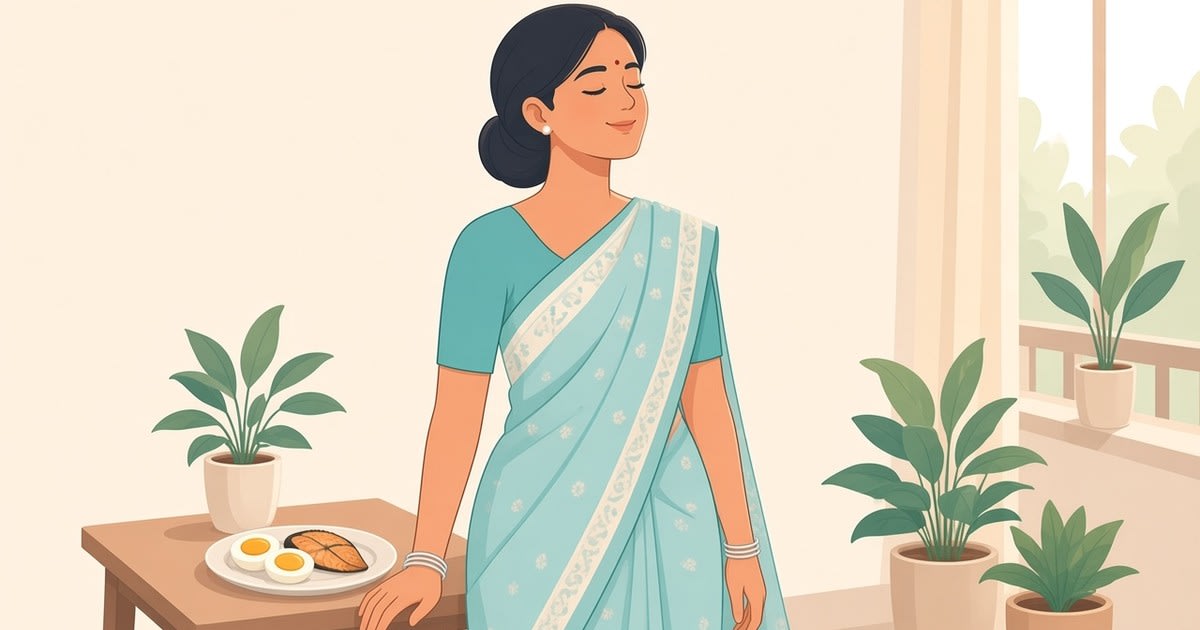
Vitamin D deficiency symptoms can be subtle: aching bones, muscle weakness or pain and tiredness are the most common. Vitamin D helps the body absorb calcium for strong bones and supports muscles. Many people in Bangladesh have low levels, even though the country is sunny, because of indoor lifestyles, clothing and diet.
Testing and advice from a doctor are better than guessing, because both too little and too much vitamin D can cause problems.
What are the vitamin D deficiency symptoms?
According to the NHS and MedlinePlus:
- Bone pain or tenderness, and muscle aches or weakness.
- Tiredness.
- Frequent falls or, in the long run, brittle bones.
- In children, soft bones that may bend (rickets), delayed walking or bowed legs.
Many people with low vitamin D have no symptoms at all.
Who is at higher risk?
- People who spend most of their time indoors or cover most of their skin outdoors.
- People with darker skin.
- Older adults, pregnant and breastfeeding women.
- Breastfed babies not given a supplement.
- People with obesity, kidney or liver disease, or conditions affecting fat absorption.
How is it tested?
A blood test (25-hydroxy vitamin D) shows your level. Doctors do not test everyone routinely; they usually advise it if you have symptoms or risk factors.
Where can you get vitamin D?
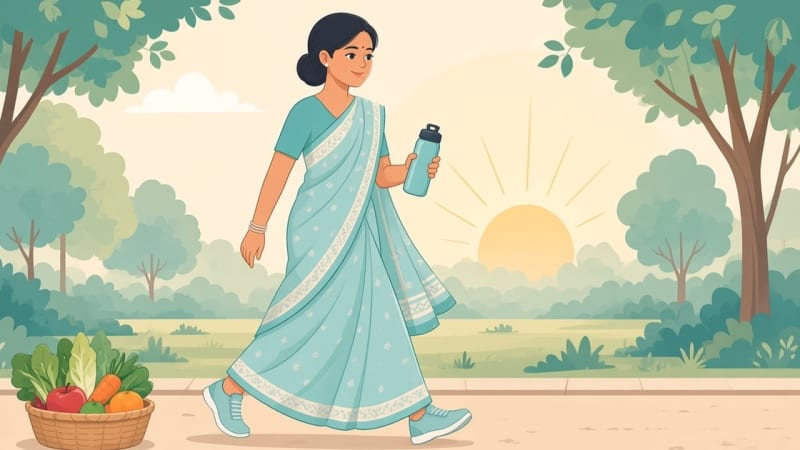
- Sunlight on bare skin is the main source: short, regular exposure on the face and arms around midday is commonly suggested, but avoid sunburn.
- Foods: oily fish, egg yolks and fortified products contain some vitamin D, but food alone is rarely enough.
- Supplements when a doctor advises.
What precautions should you take with supplements?
- Take only the amount your doctor recommends; higher is not better. Too much can raise calcium levels and harm the kidneys.
- Tell your doctor about any kidney stones, kidney disease or other medicines you take.
- Do not give adult supplements to children.
- Retest as advised.
When should you see a doctor?
See a doctor for persistent bone or muscle pain, frequent falls, or if you are in a high-risk group and want advice on testing and supplements.
Which signs need urgent help?
- A sudden severe bone pain after a minor fall (possible fracture).
- A child with bowed legs, delayed walking and severe weakness.
- Muscle cramps with numbness around the mouth or tingling, which may be a sign of low calcium.
What should you tell the doctor?
Your diet, sun exposure, clothing habits, medicines, family history of bone disease, pregnancy or breastfeeding, and any bone or muscle symptoms. Back pain may have other causes; see lower back pain relief.
Common myths about vitamin D
- "Living in a sunny country means no deficiency." Not true.
- "Higher doses are safer." Too much can be harmful.
- "Vitamin D only matters for bones." It also supports muscles and general health.
What questions should you ask your doctor?
- Do I need a blood test?
- What is my level and what does it mean?
- Do I need a supplement and for how long?
- What else could explain my symptoms?
What differs for each family member?
Breastfed infants may need supplements as advised by a paediatrician. Pregnant and breastfeeding mothers may have different needs. Older adults may discuss bone health and fall prevention with a doctor. Family members should not share the same supplement; the dose depends on age and condition.
When should you have the test?
Not everyone needs routine testing. Your doctor may order it if you have bone pain, ongoing tiredness or a higher risk of fractures. Reference ranges differ slightly between labs, so discuss the result with your doctor instead of interpreting it yourself. Iron deficiency can also cause tiredness; see iron deficiency anaemia symptoms.
Key points
- Low vitamin D is common and often silent.
- Sun, food and, when advised, supplements are the sources.
- Take supplements only at the dose your doctor suggests.
Frequently asked questions
How much sun gives enough vitamin D?
It varies with skin tone, season, time of day and clothing. Short, regular exposure is typically suggested, avoiding sunburn. Ask a doctor what suits you.
Is vitamin D only for bones?
No. It also supports muscle function and overall health.
Do children need supplements?
Some do, especially breastfed babies, but only as a paediatrician advises.
Which doctor should I see?
A general physician is a good start.
Medical disclaimer
This article is for general educational information only. It is not a personal diagnosis, treatment plan or medication advice. Talk to a registered doctor before making decisions about your or your family's health. ShifaMate is not an emergency medical service. Medical review pending.
Online consultation on ShifaMate
If you have a non-urgent symptom or question, you can browse ShifaMate's doctor directory and choose a suitable doctor to request an online consultation. To book through the app, see the ShifaMate app on Google Play. Check the fee and schedule on the doctor's profile before you book. You can also view general physicians. In an emergency, do not wait online: call 999 or go to the nearest hospital.
References
Sources
This article is general health information, not medical advice for any individual. For your own situation, consult a registered doctor. In an emergency, go to the nearest hospital without delay.