Early Signs of Diabetes: Symptoms You Should Not Ignore
Spot the early signs of diabetes, learn who is at risk in Bangladesh, which blood sugar tests confirm it, and what to do if your result is high.
Status: Pending Qualified Medical Review. This article has not yet been reviewed by a qualified medical professional.
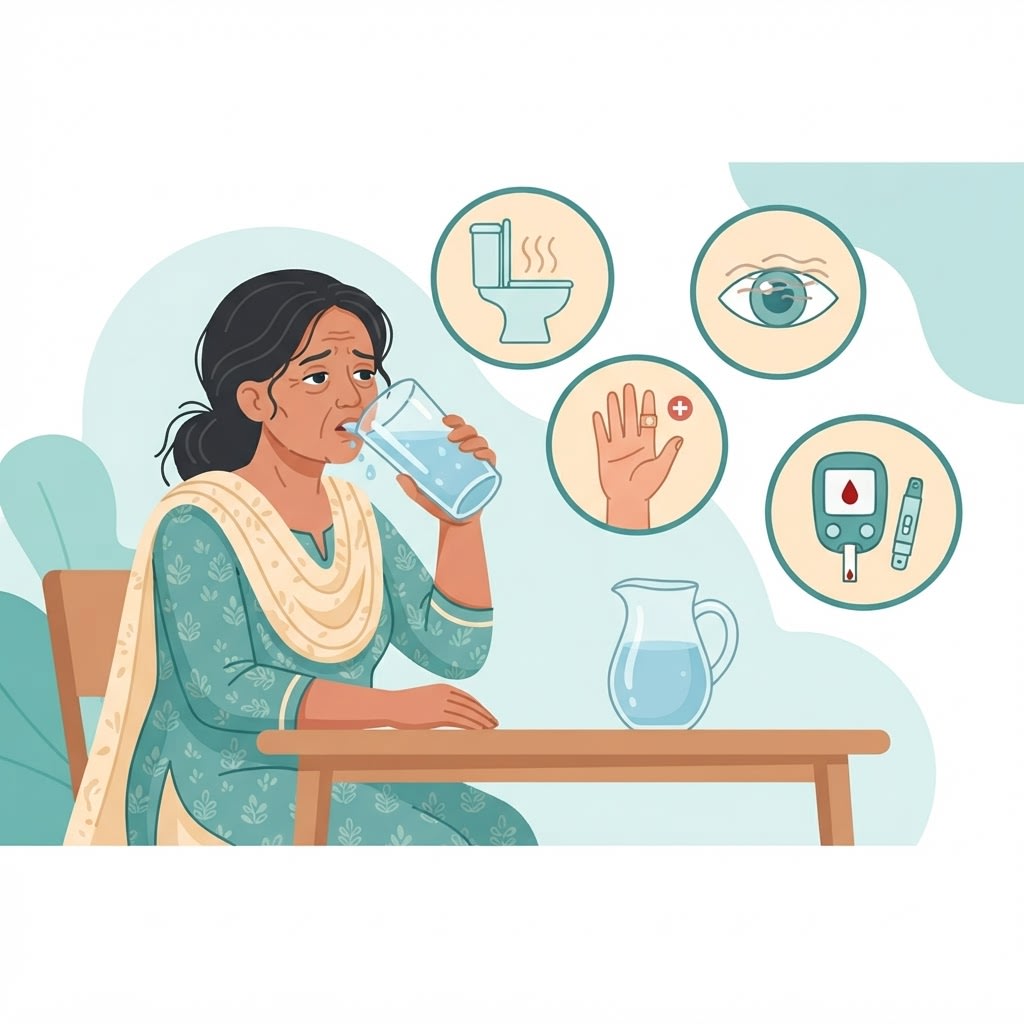
"I'm always thirsty and I go to the toilet at night many times — is it just the heat?" Many people in Bangladesh brush off these changes. But they can be early signs of diabetes, a condition that is very common in South Asia and often goes undiagnosed for years.
Type 2 diabetes usually develops slowly. Many people have no symptoms at all in the early stage. Finding it early, through simple blood tests, gives you the best chance to prevent complications such as heart disease, kidney damage, eye problems and foot ulcers.
What Is Diabetes?
Diabetes is a long-term condition in which blood sugar (glucose) stays too high. This happens when the body does not make enough insulin, or cannot use insulin properly.
Main types
- Type 2 diabetes — the most common type in adults. Linked with weight, inactivity, diet, age and family history.
- Type 1 diabetes — the body makes little or no insulin. Often starts in children or young adults and can begin suddenly.
- Gestational diabetes — high blood sugar first found during pregnancy.
This article focuses mainly on type 2 diabetes in adults.
Early Signs of Diabetes
The WHO, NHS and CDC list these common symptoms:
- Feeling very thirsty
- Urinating more often, especially at night
- Feeling very tired or low in energy
- Losing weight without trying
- Blurred vision
- Cuts or wounds that heal slowly
- Frequent infections — skin, gum, urinary or genital (itching or thrush)
- Fevers that keep coming back with infections (see fever in adults: when to see a doctor)
- Tingling or numbness in hands or feet
- Feeling hungry more often
Many people feel nothing
Type 2 diabetes can be silent. The CDC notes that symptoms of type 2 often develop over years and can be so mild they go unnoticed. That is why testing matters, especially if you have risk factors.
Example
Jahanara, 46, from Mymensingh, has been treating repeated vaginal itching with creams from the pharmacy. She also feels tired and drinks a lot of water. Her mother had diabetes. When a doctor asks her to do a fasting blood sugar and HbA1c, both are in the diabetes range. Her "infection" was a sign of high blood sugar.
Signs that need urgent care
High blood sugar can sometimes become dangerous. Seek emergency care or call 999 for:
- Vomiting, belly pain and fast or deep breathing
- Confusion, extreme drowsiness or fainting
- Breath that smells fruity
- Very high blood sugar readings with feeling very unwell
These can be signs of a diabetes emergency, which is more common in type 1 diabetes but can happen in others too.
Who Is at Higher Risk?
You are more likely to develop type 2 diabetes if you:
- Are over 40 (risk rises with age; South Asians may develop it younger)
- Have a parent or sibling with diabetes
- Are overweight, especially with fat around the waist
- Are not physically active
- Have high blood pressure or high cholesterol
- Had gestational diabetes or a baby weighing over 4 kg
- Have polycystic ovary syndrome (PCOS)
- Smoke or use tobacco
The NHS notes that people of South Asian origin have a higher risk of type 2 diabetes. Rice-heavy meals, sugary tea, sweets at gatherings, and less walking in busy cities can all add to the risk.
Tests That Diagnose Diabetes
Symptoms alone cannot confirm diabetes. A doctor uses blood tests. In Bangladesh, results are usually reported in mmol/L.
WHO diagnostic levels
| Test | Normal | Diabetes |
|---|---|---|
| Fasting blood sugar (after at least 8 hours without food) | Below 6.1 mmol/L | 7.0 mmol/L or higher |
| 2-hour OGTT (after 75 g glucose drink) | Below 7.8 mmol/L | 11.1 mmol/L or higher |
| HbA1c (average sugar over ~3 months) | — | 6.5% or higher |
| Random blood sugar with symptoms | — | 11.1 mmol/L or higher |
Usually, a result in the diabetes range is repeated to confirm, unless there are clear symptoms.
What is prediabetes?
Some people have blood sugar higher than normal but not high enough for diabetes. The WHO calls these impaired fasting glucose (fasting 6.1–6.9 mmol/L) and impaired glucose tolerance (2-hour 7.8–11.0 mmol/L). Other bodies use slightly different cut-offs, including HbA1c ranges. This is a warning stage — and a big opportunity. The CDC says lifestyle changes can prevent or delay type 2 diabetes in many people with prediabetes.
Glucometer readings at home
Home glucometers are useful for monitoring, but a diagnosis should be based on laboratory tests.
What to Do If Your Blood Sugar Is High
- Do not panic, and do not self-medicate. Diarrhoea or vomiting with diabetes can dehydrate you quickly; ORS helps, but ask a doctor. Do not start a relative's diabetes tablets.
- See a doctor with your reports, in person or online (see our guide to consulting a doctor online in Bangladesh). They may repeat tests and check blood pressure, cholesterol, kidney function and urine.
- Ask about a plan: diet, activity, weight goals, and whether medicine is needed.
- Get regular checks: eyes, feet, kidney function and blood pressure.
Lifestyle Steps That Help
These are recommended by the WHO, NHS and CDC for preventing and managing type 2 diabetes:
Food
- Eat smaller portions of rice and fill half the plate with vegetables
- Choose daal, fish, eggs, chicken for protein
- Cut down on sweets, mishti, sugary tea and soft drinks
- Choose whole fruits over juice
- Limit fried snacks like singara, puri and chips
Activity
- Aim for at least 150 minutes of moderate activity a week, such as brisk walking — about 30 minutes, 5 days a week
- Even a walk after meals helps
Weight and habits
- Losing even a small amount of weight can help if you are overweight
- Stop tobacco in all forms
- Sleep well and manage stress
Frequently Asked Questions
What are the first signs of diabetes?
Increased thirst, frequent urination, tiredness, unexplained weight loss, blurred vision and slow-healing wounds. Many people have no symptoms early on.
What is normal fasting blood sugar?
According to WHO criteria, below 6.1 mmol/L is normal. 7.0 mmol/L or higher on testing suggests diabetes.
Can diabetes be cured?
Type 2 diabetes is usually a long-term condition, but it can be well controlled. Some people reach normal blood sugar levels through weight loss and lifestyle change, under medical guidance.
How often should I test for diabetes?
If you have risk factors, ask your doctor. Your doctor will advise how often to test based on your risk.
Is sweet food the only cause of diabetes?
No. Weight, inactivity, genetics and overall diet all play a role, not just sugar.
Can I check diabetes with a glucometer at home?
A glucometer helps monitor sugar, but diagnosis should be made with lab tests and a doctor's review.
Discuss Your Blood Sugar Results with a ShifaMate Doctor
If you have symptoms or a high blood sugar report, you can consult a verified doctor through ShifaMate. Send photos of your fasting sugar, HbA1c or other reports, along with your current medicines and family history. The doctor can explain your results, suggest next tests, and issue a digital prescription when clinically appropriate. You can also browse ShifaMate doctors.
For vomiting, confusion or fast breathing with high sugar, go to hospital immediately or call 999.
References
- World Health Organization. Diabetes (fact sheet)
- World Health Organization. Definition and diagnosis of diabetes mellitus and intermediate hyperglycaemia (2006)
- NHS. Type 2 diabetes — symptoms
- CDC. Diabetes symptoms
- CDC. Prediabetes
- DGHS Bangladesh, NCDC programme
This article is for general information and does not replace advice from a qualified doctor.
Sources
This article is general health information, not medical advice for any individual. For your own situation, consult a registered doctor. In an emergency, go to the nearest hospital without delay.


