Liver Disease Symptoms: Early Signs, Causes and When to Get Urgent Help
Liver disease symptoms can be vague at first. Know the early signs, common causes in Bangladesh, which tests are done and which symptoms are an emergency.

Liver disease symptoms often start quietly: tiredness, poor appetite or mild discomfort in the upper right abdomen. Yellow eyes or skin, dark urine and pale stools point to a more serious problem and need a doctor's check.
The liver can keep working for a long time even when it is damaged, so many people are diagnosed late. Knowing the early signs and your risk factors helps you act sooner.
What are the liver disease symptoms?
According to the NHS and MedlinePlus, possible signs include:
- Yellowing of the skin and whites of the eyes (jaundice).
- Dark urine and pale or clay-coloured stools.
- Ongoing tiredness, weakness or loss of appetite.
- Nausea, vomiting or pain and swelling in the abdomen.
- Itchy skin, easy bruising or swollen ankles.
Early liver disease may cause no symptoms at all.
What causes liver disease?
- Viral hepatitis, especially hepatitis B and C. Read more in hepatitis B symptoms and prevention.
- Fatty liver linked to weight, diabetes and high cholesterol.
- Heavy alcohol use over many years.
- Contaminated food or water (hepatitis A and E).
- Some medicines, herbal products and inherited or autoimmune conditions.
Which tests are done?
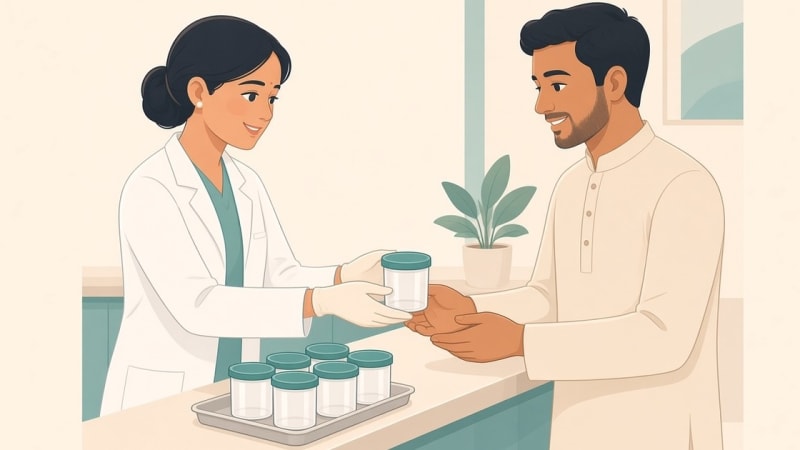
A doctor may advise liver function tests, hepatitis B and C blood tests, an abdominal ultrasound and, if needed, further imaging or specialist tests. The right tests depend on your symptoms and history.
What should you do, and not do, at home?
- Rest, drink enough safe water and eat light, balanced meals.
- Avoid alcohol completely if you have liver symptoms.
- Do not take painkillers, herbal remedies or "liver tonics" without medical advice; some can harm the liver.
- Keep follow-up appointments and do not stop prescribed medicines on your own.
- Get vaccinated against hepatitis B if your doctor advises it.
When should you see a doctor?
See a doctor if you have yellow eyes or skin, dark urine, long-lasting tiredness, unexplained itching, or a known risk such as hepatitis in the family. You can also read about the causes of jaundice in adults.
Which symptoms need a hospital quickly?
- Vomiting blood or black stools.
- Confusion, unusual sleepiness or personality change.
- Severe abdominal pain or a rapidly swelling belly.
- Jaundice with high fever or severe weakness.
What should you tell the doctor?
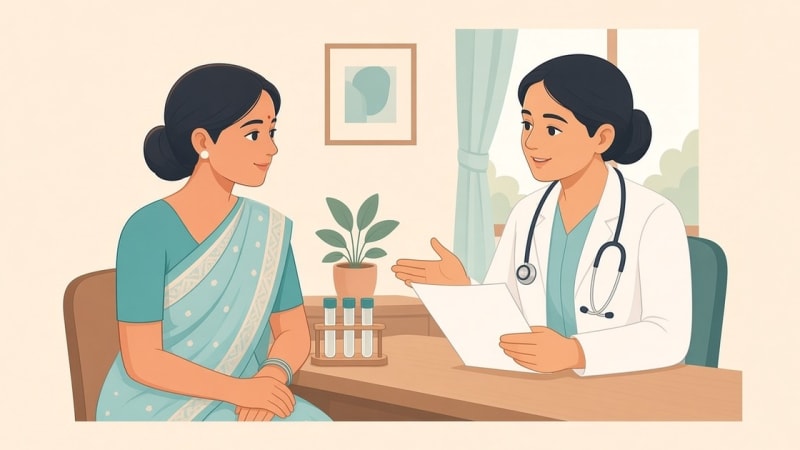
Mention when symptoms started, any alcohol use, all medicines and herbal products, past hepatitis or vaccination history, blood transfusions or injections, and anyone in the family with liver disease.
Common myths about the liver
- "Jaundice always means the liver is destroyed." Not necessarily; it has many causes.
- "Herbal products are always safe for the liver." Some are harmful.
- "If I feel fine, my liver is fine." Early liver disease is often silent.
What questions should you ask your doctor?
- What is the most likely cause of my symptoms?
- Which tests do I need first?
- Do I need a specialist?
- What should I avoid eating or taking?
Key points
- Liver disease can be silent; know your risk factors.
- Avoid alcohol and unprescribed remedies when the liver is affected.
- Vomiting blood, confusion or severe pain is an emergency.
Frequently asked questions
Is liver disease hard to notice at the start?
Often, yes. Many people have few or no symptoms until the disease is advanced, which is why tests are important if you have risk factors.
Does jaundice always mean liver damage?
No. Jaundice can come from the liver, bile ducts or blood problems. A doctor needs to find the cause.
Can cirrhosis be reversed?
Established scarring usually cannot be fully reversed, but treating the cause and good care can slow or stop progression. Early diagnosis matters.
Which doctor should I see?
A medicine specialist or a gastroenterologist or hepatologist. You can begin with a general or internal medicine doctor.
Medical disclaimer
This article is for general educational information only. It is not a personal diagnosis, treatment plan or medication advice. Talk to a registered doctor before making decisions about your or your family's health. ShifaMate is not an emergency medical service. Medical review pending.
Online consultation on ShifaMate
If you have a non-urgent symptom or question, you can browse ShifaMate's doctor directory and choose a suitable doctor to request an online consultation. To book through the app, see the ShifaMate app on Google Play. Check the fee and schedule on the doctor's profile before you book. You can also view internal medicine specialists. In an emergency, do not wait online: call 999 or go to the nearest hospital.
References
Sources
This article is general health information, not medical advice for any individual. For your own situation, consult a registered doctor. In an emergency, go to the nearest hospital without delay.