UTI Symptoms in Women: Signs, Causes, Treatment and Prevention
Burning when you pee or needing to go often? Learn UTI symptoms in women, what causes them, when antibiotics are needed, and the signs of kidney infection.
Medically reviewed by Dr. Sharmin Jahan Shawon, MBBS, FCPS (Part 1), MS (Phase B) · Reviewed on 1 November 2026
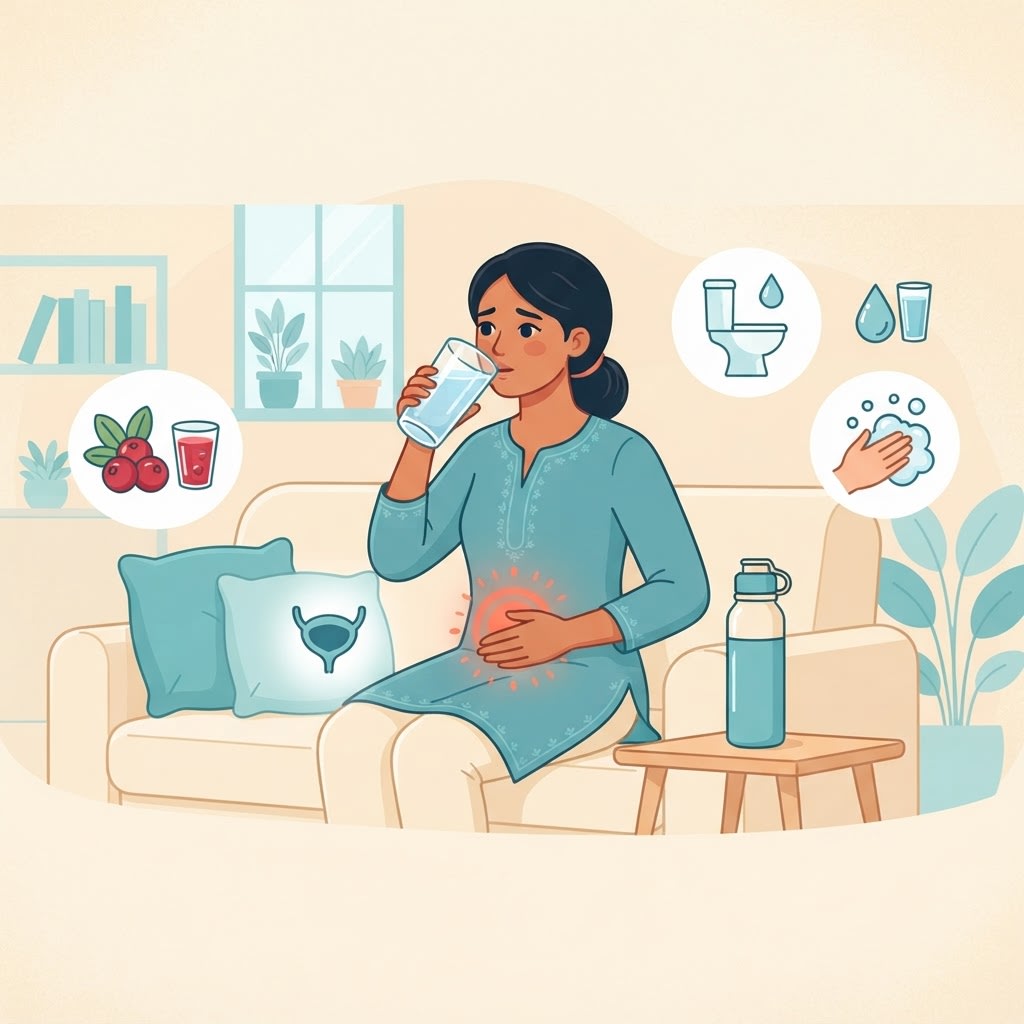
Burning when you pass urine. Needing the toilet again and again, but only a little comes out. A dull pain low in the tummy. Many women in Bangladesh know these symptoms — and many feel too shy to talk about them, or simply buy a medicine from the pharmacy and hope for the best.
A urinary tract infection (UTI) is very common in women and usually easy to treat. But some UTIs spread to the kidneys and can become serious. This guide explains the symptoms, why women get UTIs more often, when to see a doctor, and practical ways to prevent them.
What Is a UTI?
A UTI is an infection anywhere in the urinary tract — the bladder (most common), the urethra (the tube urine comes out of), or the kidneys.
Why women get UTIs more often
The NHS explains UTIs are usually caused by bacteria from poo entering the urinary tract through the urethra. Women have a shorter urethra than men, so bacteria are more likely to reach the bladder or kidneys.
UTI Symptoms in Women
The NHS lists these symptoms:
- Pain or a burning feeling when peeing (dysuria)
- Needing to pee more often than usual
- Needing to pee more often at night (nocturia)
- Needing to pee suddenly or urgently
- Cloudy urine
- Blood in your urine
- Lower tummy pain, or pain in your back just under the ribs
- A high temperature, or feeling hot and cold and shivery
- A very low temperature below 36°C
- Feeling tired or weak
Dark or smelly urine alone
The NHS notes that urine may look dark or smell. If this is your only symptom, it may simply be because you haven't been drinking enough water — common in Bangladesh's heat.
Symptoms in older women
In older, frail people — especially those with memory problems or a urinary catheter — the NHS says a UTI may also cause:
- Sudden confusion or agitation
- Leaking urine more than usual
- New shivering or shaking
If an elderly mother or grandmother suddenly becomes confused, a UTI is one possible cause to check.
What Increases the Risk?
The NHS lists things that make UTIs more likely:
- Pregnancy
- Wiping from back to front after the toilet
- Conditions that block the urinary tract, such as kidney stones
- Not fully emptying the bladder
- Urinary catheters
- A weakened immune system, for example poorly controlled diabetes
- Having been through the menopause
- Using spermicide with contraception
- Not drinking enough fluids
Bangladesh-specific factors
Many women avoid drinking water during long journeys, at work or in public places because clean toilets are hard to find, and then hold urine for hours. Both habits can raise the risk. Hot weather and sweating add to dehydration.
Example
Nasrin, 29, commutes two hours each way to her office in Motijheel. She drinks very little water during the day to avoid using public toilets. For two days she has burning when she pees and needs to go every hour. She has no fever or back pain. She consults a doctor, who advises on treatment and fluids, and suggests a urine test because she has had two similar episodes in recent months.
When to See a Doctor
The NHS advises getting urgent medical advice if you think you have a UTI and:
- You're 65 or older
- You're pregnant
- You have diabetes
- You have a very high or very low temperature, feel hot or cold, or are shivering
- You have pain in the lower tummy or in the back just under the ribs
- You have blood in your urine (pink, red or dark brown)
- Your symptoms get worse quickly, or do not improve within 48 hours of starting treatment
- You keep getting UTIs — 2 within 6 months, or 3 within 12 months
- You use a catheter
- You have a weakened immune system
The NHS warns that some of these could be signs of a kidney infection, which can be serious and may lead to sepsis if not treated.
Children
The NHS advises urgent advice for children 15 or younger with a suspected UTI. Children may have fever, be generally unwell, wet the bed, or vomit.
Emergency: Call 999 or Go to Hospital
The NHS says get emergency help if you or your child are:
- Confused
- Drowsy
- Having difficulty speaking
Also seek urgent care for high fever with back pain and vomiting, or if a pregnant woman has fever and pain.
UTI Treatment
According to the NHS, a doctor may:
- Do a urine test (not always needed)
- Offer self-care advice and suggest a painkiller
- Prescribe a short course of antibiotics
- Sometimes ask you to wait 48 hours before starting antibiotics, in case symptoms clear on their own
Take all the medicine you are prescribed, even if you feel better (NHS).
Avoid self-treating with antibiotics
In Bangladesh, antibiotics for "burning urine" are often bought without a prescription. This can:
- Use the wrong antibiotic or wrong dose
- Hide a more serious problem, such as a kidney infection or stone
- Add to antibiotic resistance, making future UTIs harder to treat
If you keep getting UTIs, a doctor may ask for a urine culture to find the exact bacteria and the right medicine.
How to Prevent UTIs
The NHS recommends:
- Wipe from front to back after using the toilet
- Keep the genital area clean and dry
- Drink plenty of fluids, especially water, so you pee regularly during the day and don't feel thirsty
Practical tips
- Carry a water bottle and sip through the day, especially in hot weather
- Don't hold urine for long periods when you can avoid it
- Pee after sex
- Wear cotton underwear and avoid very tight clothing
- If you have diabetes, keep blood sugar well controlled
- Avoid spermicide if you get frequent UTIs — talk to a doctor about other contraception
What about cranberry?
The NHS notes some products may help prevent UTIs, but there is no evidence they ease symptoms or treat a UTI once it has started.
Related reading: Pregnant women should also know the pregnancy danger signs. Repeated UTIs can be linked to diabetes — see the early signs of diabetes, and learn why finishing the right antibiotic matters in antibiotic resistance.
Frequently Asked Questions
What are the first signs of a UTI in women?
Burning or pain when peeing, needing to pee often or urgently, and cloudy urine are common early signs.
Can a UTI go away on its own?
Some mild UTIs may clear without antibiotics. The NHS says a doctor may ask you to wait 48 hours before starting them. See a doctor if symptoms worsen or you have risk factors.
What are the signs of a kidney infection?
High temperature, shivering, and pain in the back just under the ribs. These need urgent medical care.
Is a UTI dangerous in pregnancy?
UTIs in pregnancy need prompt medical advice. The NHS lists pregnancy as a reason to get urgent help.
Why do I keep getting UTIs?
Risk factors include low fluid intake, diabetes, menopause, spermicide use and kidney stones. A doctor can investigate if you have 2 or more within 6 months.
Can drinking water cure a UTI?
Drinking enough water helps prevent UTIs, but it may not cure an established infection. See a doctor if symptoms continue.
Talk to a Doctor Privately on ShifaMate
UTI symptoms can be uncomfortable to discuss face-to-face. You can browse verified doctors on ShifaMate and explain your symptoms privately by text or voice message in the app. Share any urine test reports as photos, mention pregnancy, diabetes or past UTIs, and list medicines you've taken. The doctor can advise and issue a digital prescription when clinically appropriate. See the full list of ShifaMate doctors.
Confusion, drowsiness, or fever with back pain needs urgent in-person care.
References
- NHS. Urinary tract infections (UTIs)
- World Health Organization. Antimicrobial resistance (fact sheet)
This article is for general information and does not replace advice from a qualified doctor.
Sources
Last updated: 2 November 2026
This article is general health information, not medical advice for any individual. For your own situation, consult a registered doctor. In an emergency, go to the nearest hospital without delay.